
Travel Guides•Updated October 14, 2026
Tap water while travelling: how to check your supply
Use official water-supply information and local notices when deciding whether to drink the tap water, with examples from ten countries.
Read More →
Expert guides, tips, and reviews for safe drinking water while traveling the world.
Use official water-supply information and local notices when deciding whether to drink the tap water, with examples from ten countries.
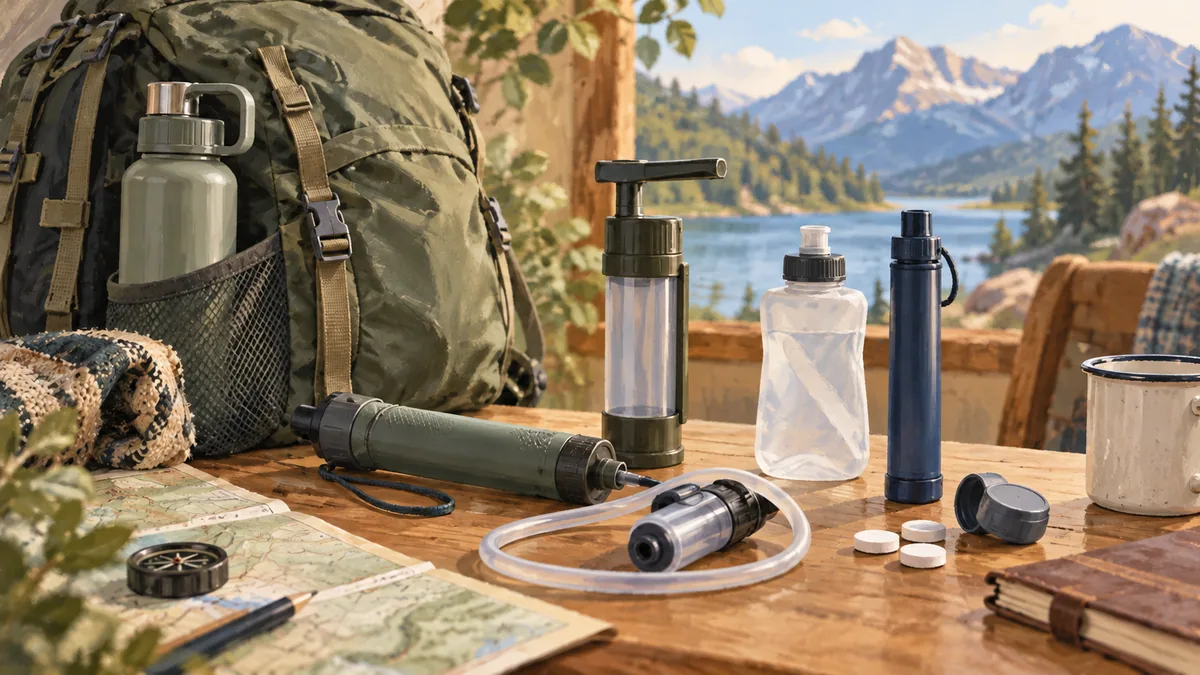
Compare the stated roles and limits of LifeStraw, GRAYL, Sawyer, Brita and Steripen before choosing travel water treatment.

Read official drinking-water guidance for Thailand, Vietnam, Bali, Malaysia and Singapore, and check the supply at your accommodation.
Work out your drinking-water budget using local prices, a safe supply and the full cost of refills or treatment.

Plan a dependable drinking-water supply for remote work, check local notices and building plumbing, and budget for refills or suitable treatment.

Find the notice for your accommodation, distinguish boil-water from do-not-drink instructions, and check teeth, ice and kitchen appliances.

Trace Berlin’s water from rivers and lakes through groundwater, wells and waterworks to the building.
Read Berlin’s hardness figures with their year and units, then separate appliance care from a water-quality concern.
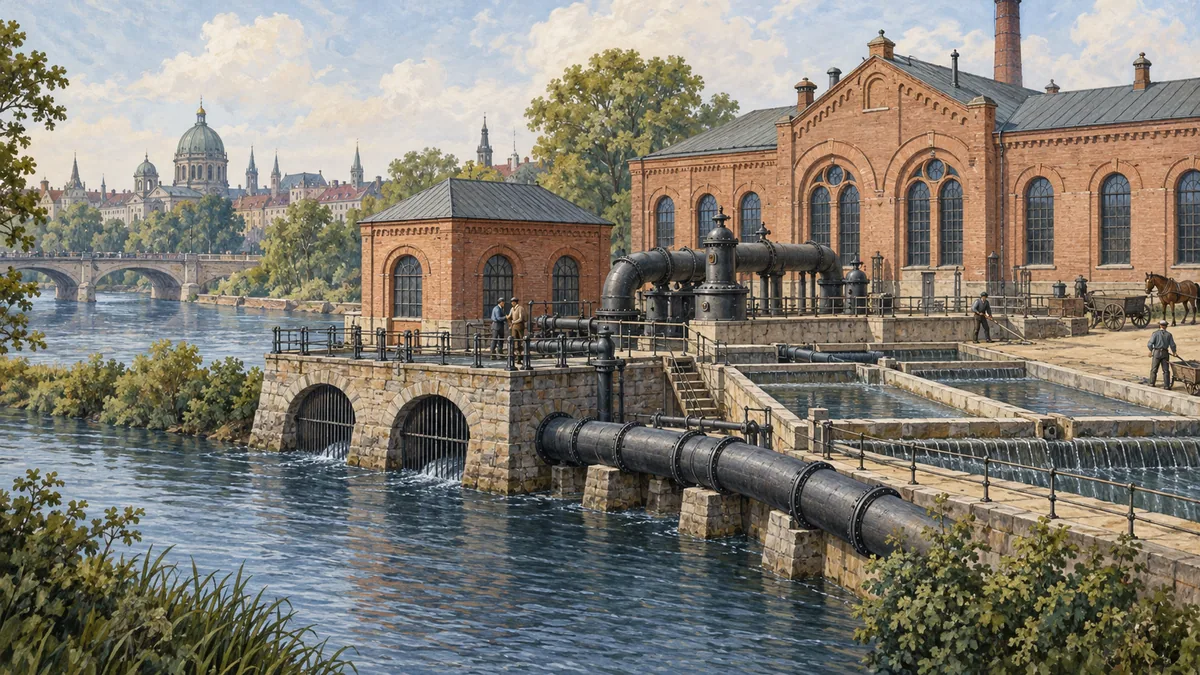
Follow Berlin’s waterworks, reservoirs and changing ownership from the first works in 1856 to the later groundwater supply.

Follow Vienna’s two spring mains from Alpine catchments into the city’s reservoirs and pressure zones.
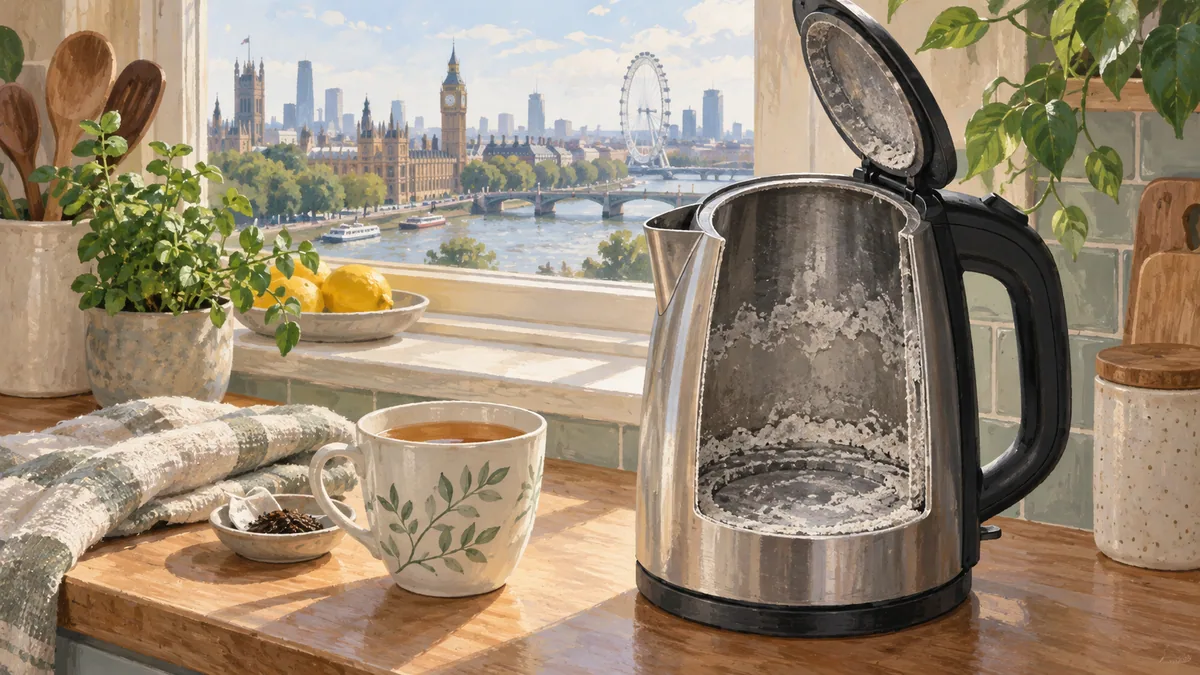
Understand London kettle scale, look up local hardness and use the care instructions for the actual appliance.

Find a fountain along your walking route, recognise its drinking outlet and plan around seasonal closures.

Rome’s nasoni are public drinking-water infrastructure. Find a convenient point, check its notices and refill with a backup in mind.

Understand Zurich’s three water sources and why some fountains use a separate spring-water network.

Follow Madrid’s regional water from catchments and reservoirs through treatment and downstream monitoring.

Use a Lisbon report example to distinguish completed sampling from compliance and read the follow-up explanation.

Follow the reservoir routes behind New York’s tap water and separate filtration, disinfection and property-level questions.

Follow Singapore’s local catchment, imported water, NEWater and desalination routes and their different uses.
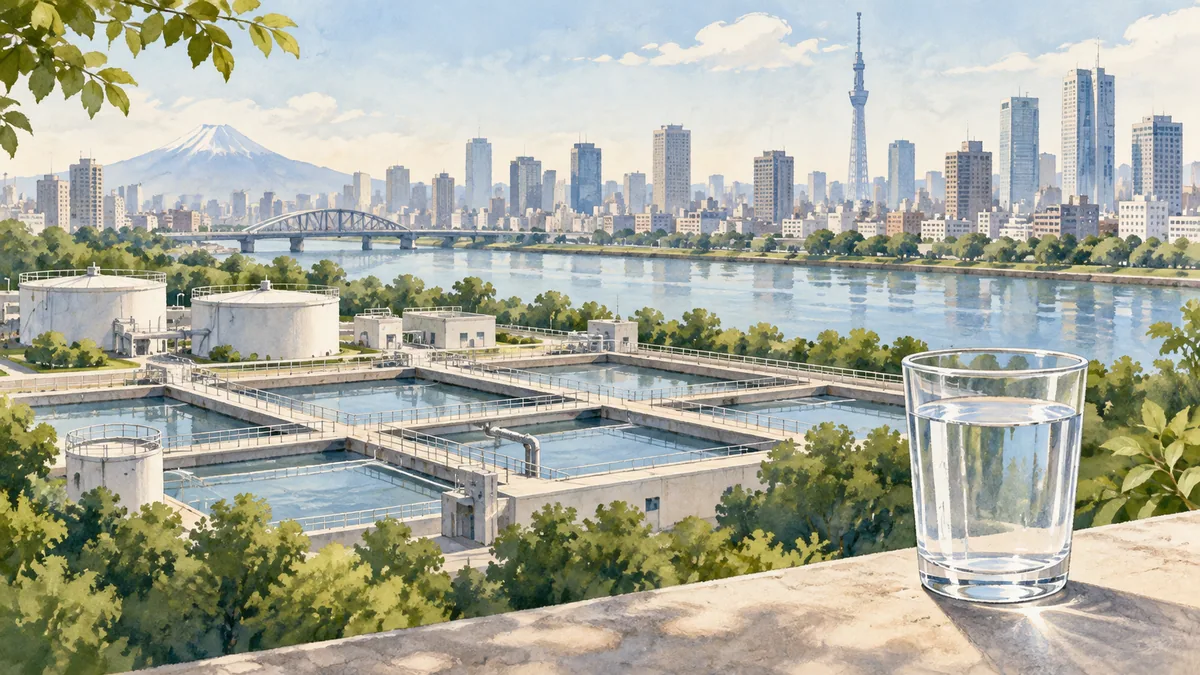
Understand Tokyo’s filtration, ozone, activated carbon and chlorine stages, then find the relevant local results.

See how Barcelona combines changing sources with treatment at Sant Joan Despí and El Prat.

Follow Amsterdam’s dune-fed water through its treatment stages and compare the Bethunepolder supply route.
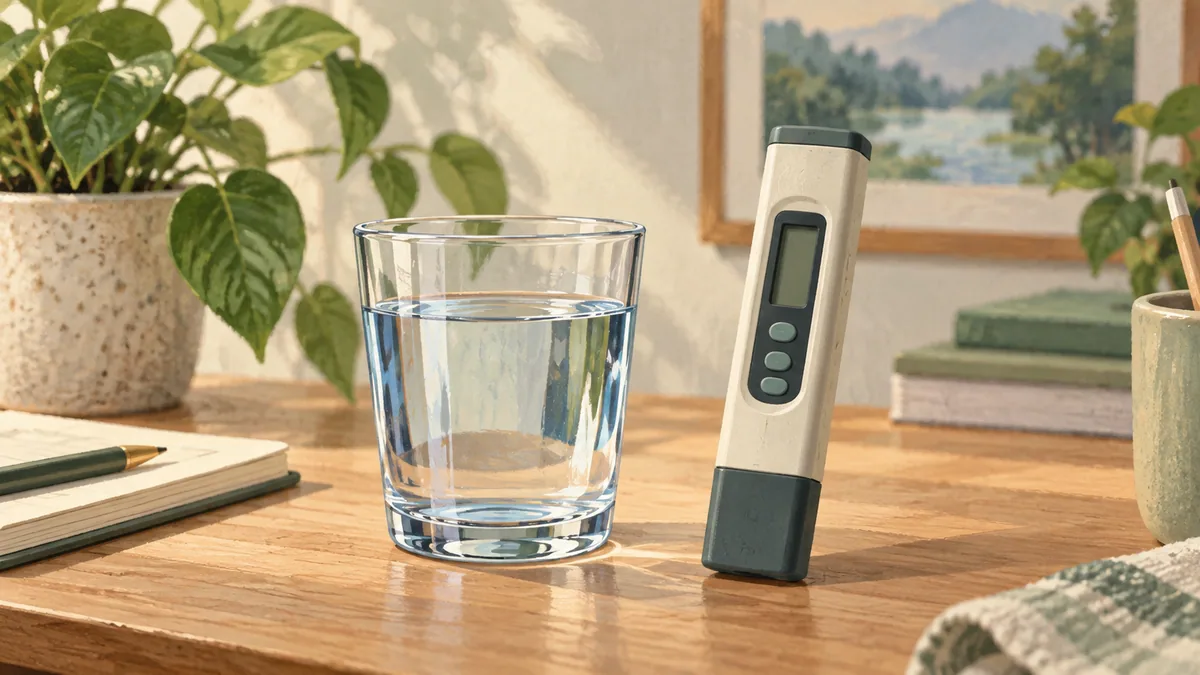
Learn what a TDS reading estimates, why it cannot establish drinking-water safety and which tests answer other questions.
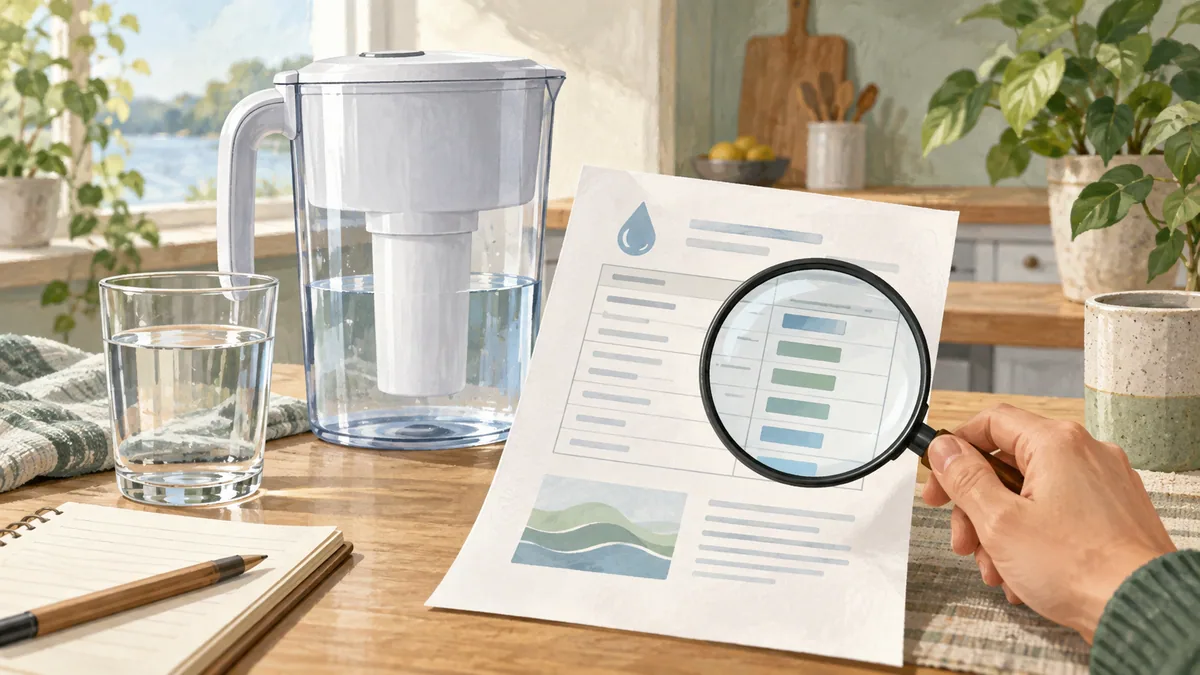
A certification number is a starting point. Match the standard, exact model and listed reduction claim to the problem you want to address.
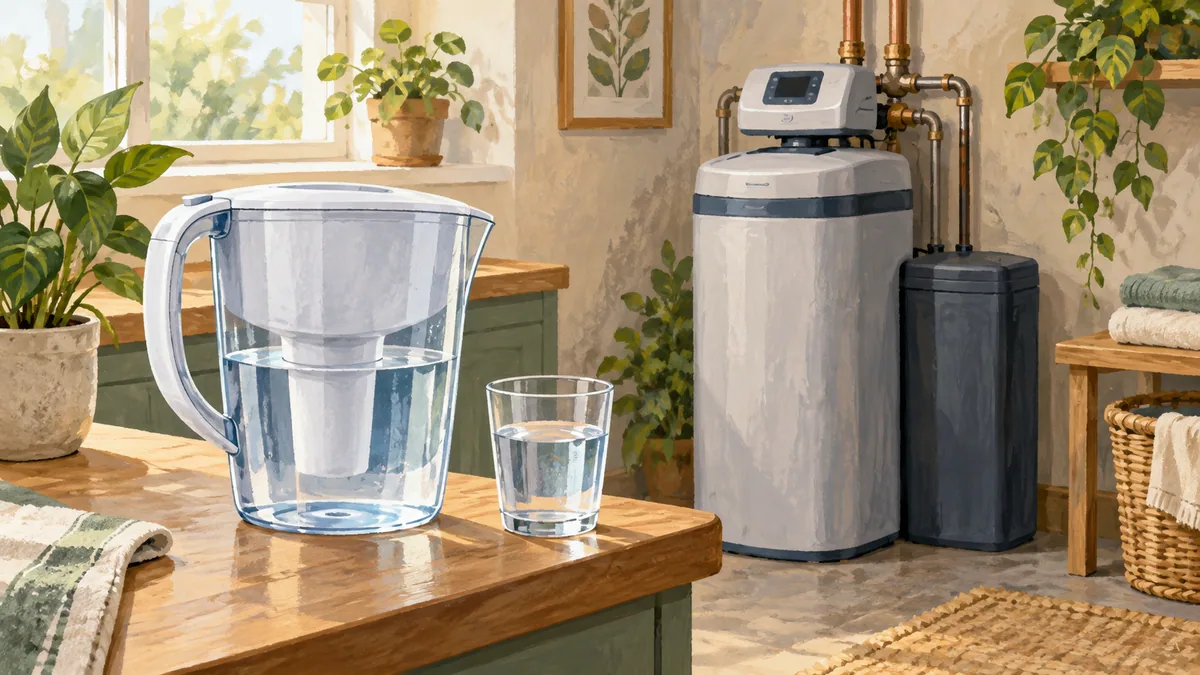
Compare carbon filtration, ion-exchange softening and the amount of water each device treats.
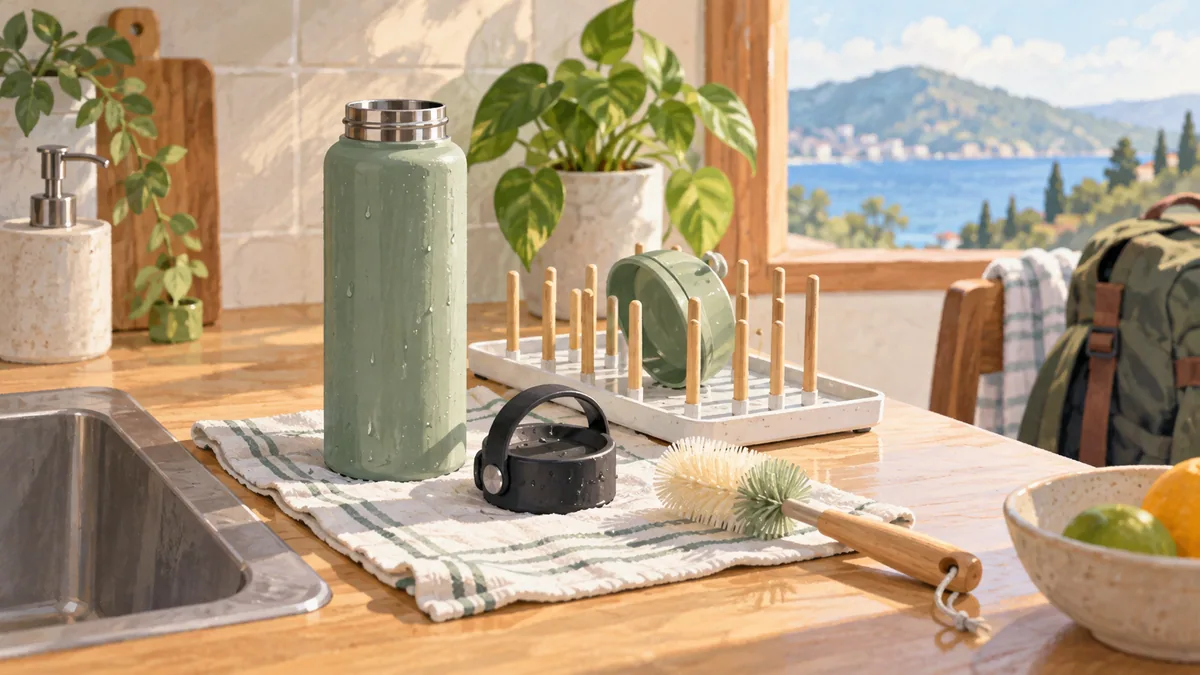
A refill plan also needs a washing plan. Give the bottle, lid and removable parts attention, with time to dry and care instructions that suit your model.

An empty bottle and a filled bottle raise different security questions. Check departure, transfer and return rules before planning where to refill.
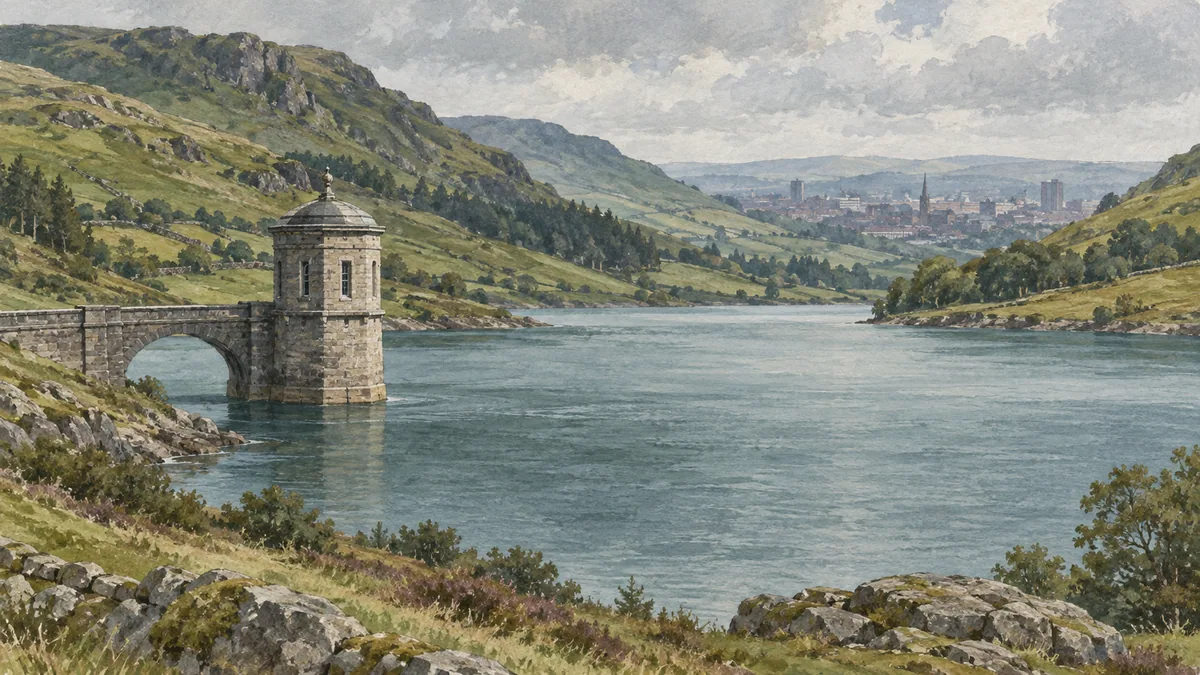
Follow the Elan scheme from its Welsh catchments to Birmingham, with its historical milestones and later supply changes.

Find the right Manchester incident notice, match it to your address and check any separate water-use restrictions.
Use the sample location, supply zone and collection year to distinguish Leeds customer-tap results from other water records.
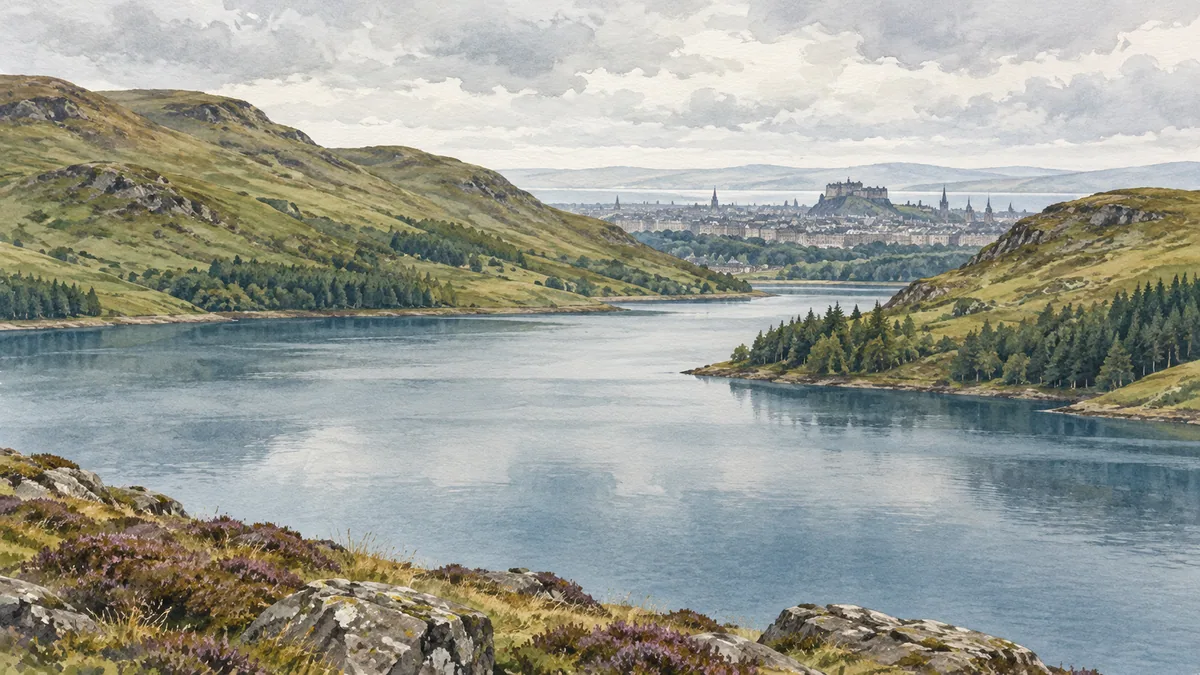
Follow the Glencorse project from replacing older works through its historical treatment design and local-result questions.

Use your Belfast postcode to choose the right supply zone, reporting year and current water information.
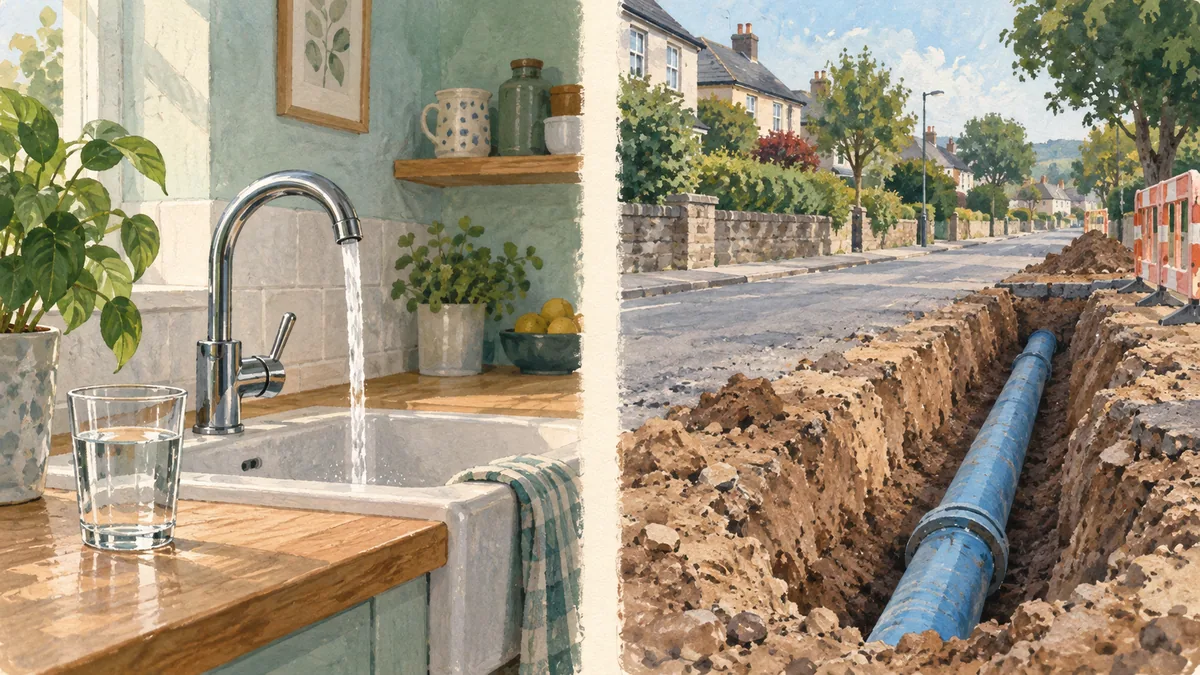
Identify the pipe section, who is responsible and who to contact about a leak at a Dublin property.

Compare Cedar and Tolt treatment, then distinguish annual chlorine summaries from dated samples at named sites.

Identify the local water supplier and choose the matching San Francisco or regional quality report.

Follow Denver Water’s Moffat and Roberts tunnel routes and distinguish collection, storage and treatment.
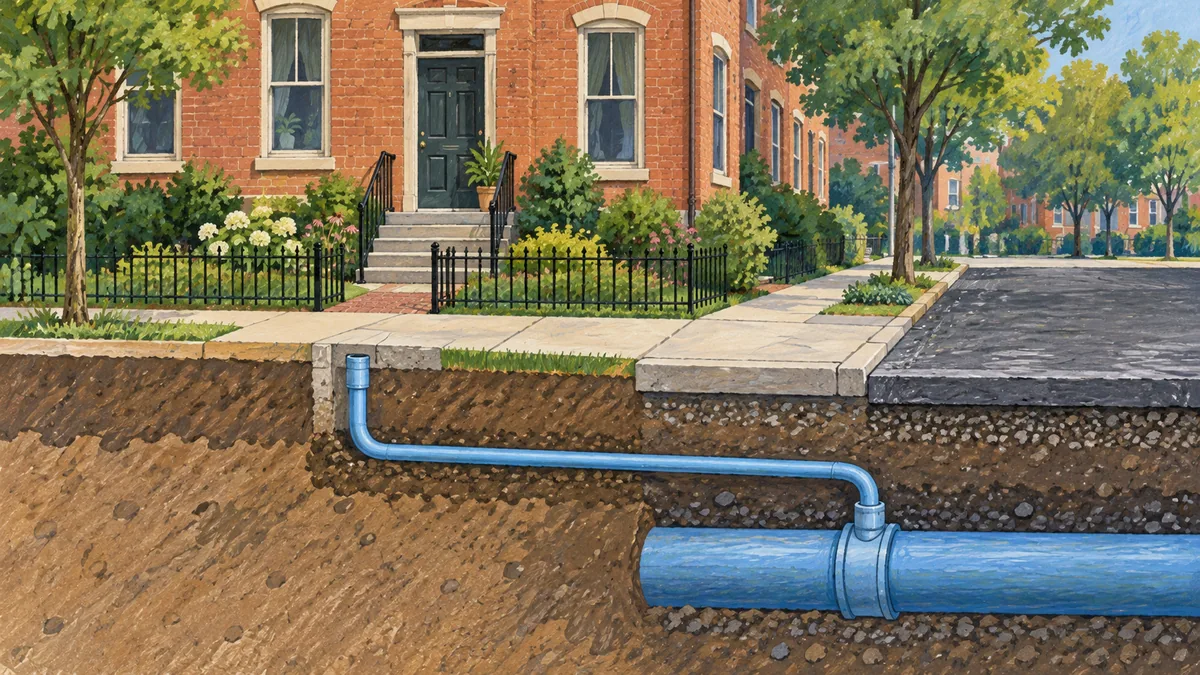
DC Water records the public-space and private-property portions separately. Check both sections and whether their material is verified, suspected or unknown.

MWRA adjusts pH and buffering capacity to reduce corrosion. Boston's water can still be soft; check the dated local lead results separately.

Melbourne Water describes several treatment paths. Its technical report ties them to sources and supply areas, while retailers handle the final distribution to customers.

The plant pages describe capacity; the annual report records production. Units, dates and the supply boundary explain why the numbers answer different questions.
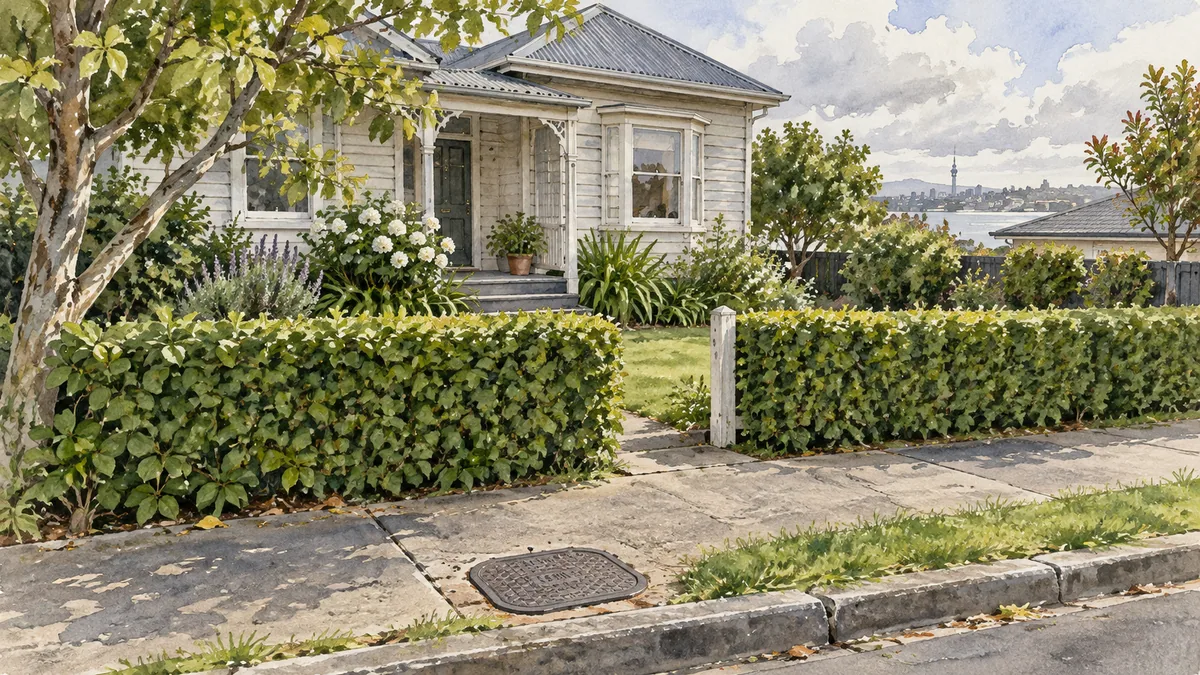
The point of supply can differ from the property boundary. Watercare's meter diagrams, leak-test instructions and fault reporting help readers choose the next step.

Two rivers feed two treatment plants, with connected distribution mains. A broad supply map does not identify a tap's daily source proportions.

Montréal publishes summaries by territory and detailed reports covering groups of municipalities. Use the report's stated coverage and year to judge which results fit your area.

Bergedorf's 2025 table lists hardness and mineral concentrations in different units. Match the works, parameter and reporting year before comparing a figure.

Frankfurt's city FAQ distinguishes upstream procurement, the local network owner and its operator. Address reports still need their own location and dates.

HOFOR's map answers an address question. Its gradual softening target and older announcements need separate dates and supply-area limits.
The utility advises heating cold water for food and drink. Its general hot-water advice is separate from annual drinking-water samples and building maintenance.

Water storage has different jobs before and after treatment. Frankley plans describe covered treated-water storage; a reservoir name alone does not identify its contents or current status.
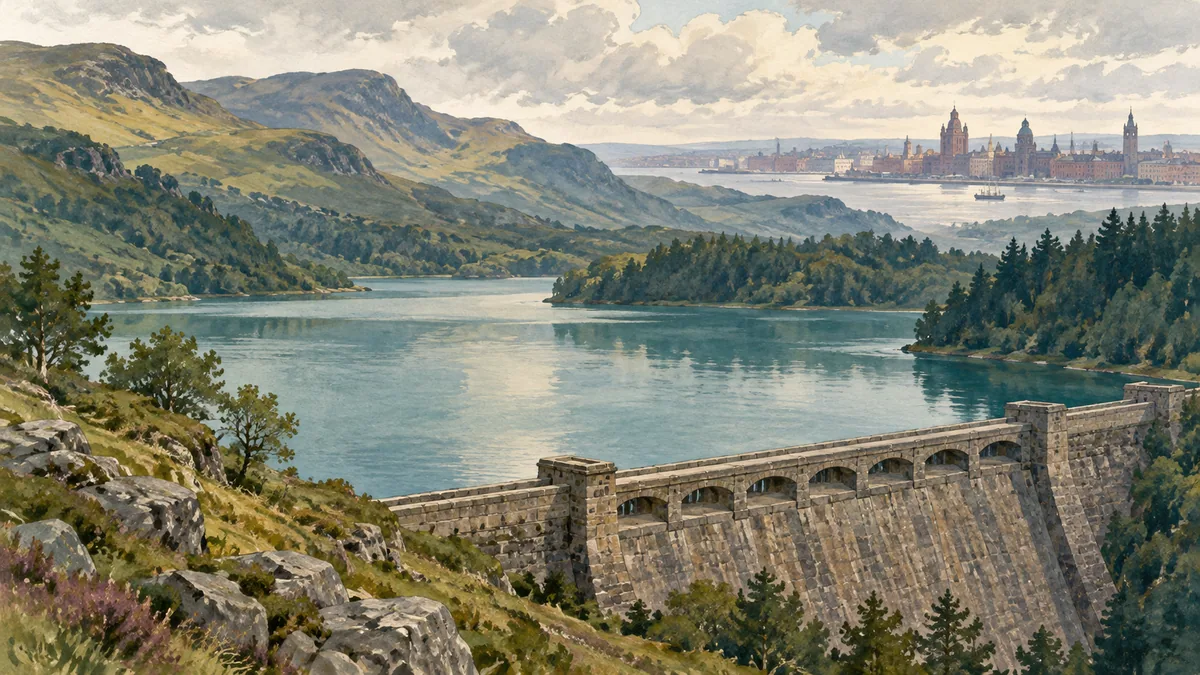
Lake Vyrnwy was designed to supply Liverpool. Dated utility accounts show later modernisation, while today's source at a particular property remains a separate question.

Yorkshire Water separates the main, communication pipe and household supply pipe. Shared connections and a main in a neighbouring street need closer attention.
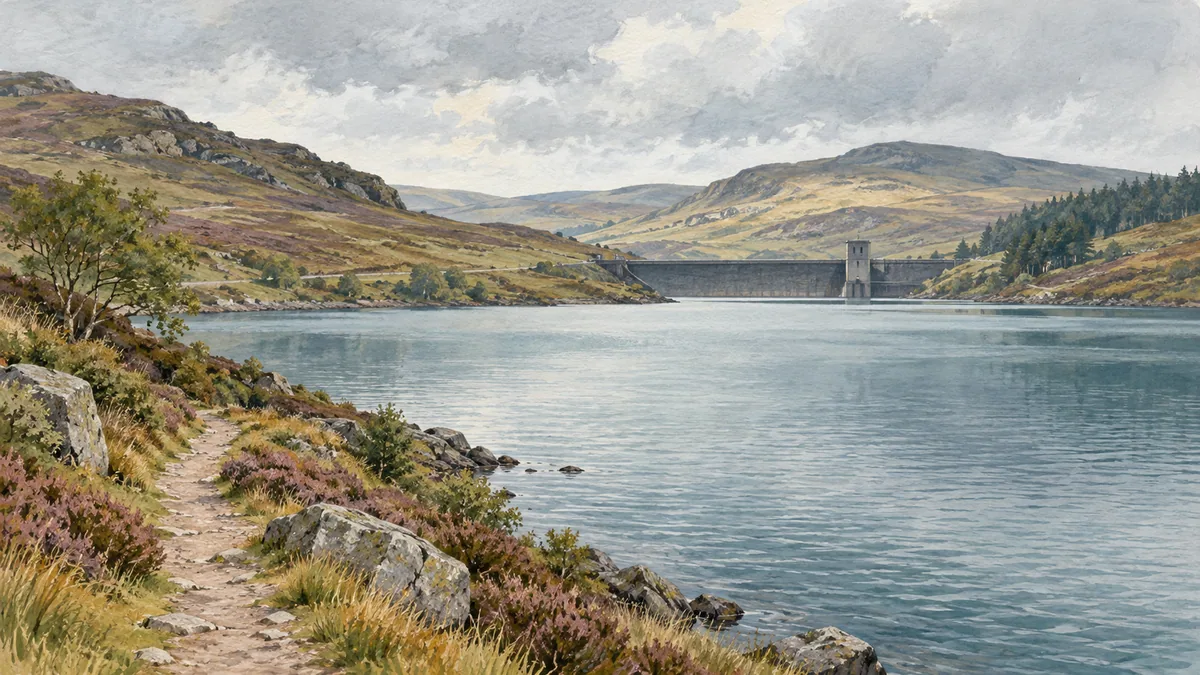
Gladhouse's planned-work newsletter describes a working site with dam, outlet and raw-water-pipe work. Those historical plans cannot confirm current visitor access or an Edinburgh property's supply.
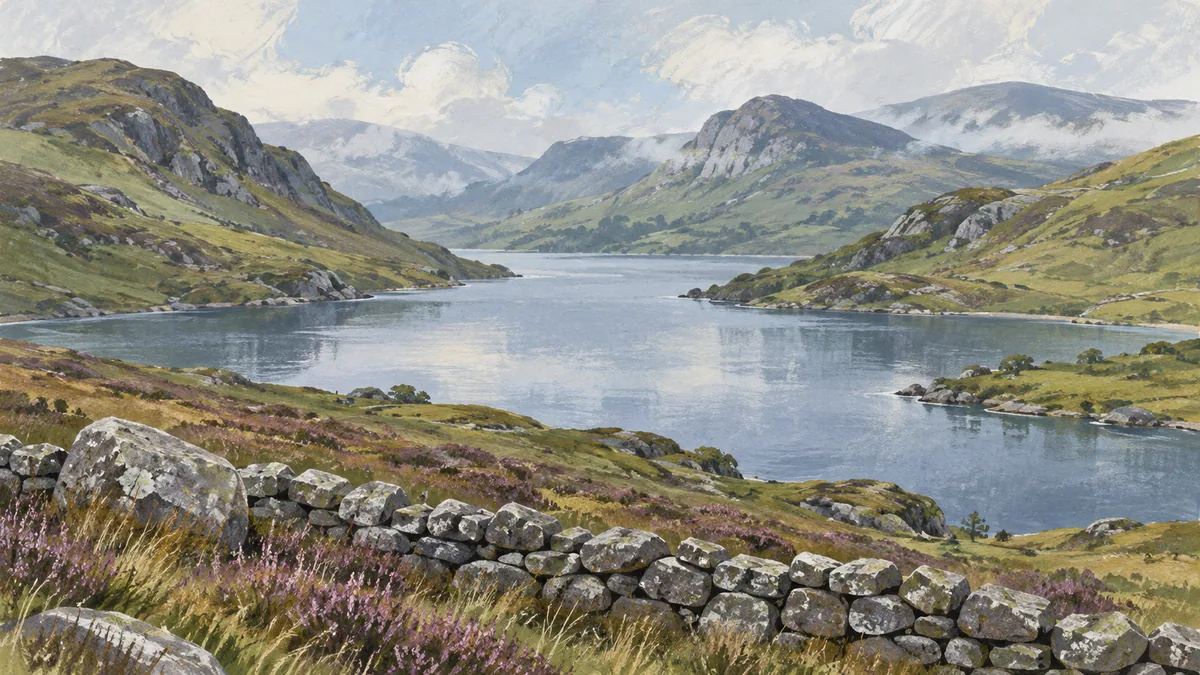
The first construction ceremony, the reservoir opening and later additions tell different parts of Silent Valley’s story. The treatment and postcode records add the supply context.

There is direct utility evidence linking Cork’s Lee Road plant with the River Lee. Following the city’s wider network requires more than looking at the river on a map.

A low snowpack headline concerns supply planning. Seattle’s October bulletin and quality tables answer different questions, each with its own date and scope.

A city-wide hardness range is useful for understanding a report. It cannot tell you the exact mineral value in today’s glass or diagnose particles at a tap.

Denver's inventory describes pipe materials. Whole-line replacement records and tap samples answer separate property questions.

Philadelphia names three plants and mixed service areas. Its map gives supply context, while a water result needs a sampling place and date.

Boston's local 2025 lead samples exceeded the action level stated for that round. The selected homes and sampling conditions are essential to interpreting it.
The 2026-27 order requests 150 billion litres. Earlier delivery milestones and cumulative production need their own dates and periods.

The integrated scheme, Perth region and water-quality locality describe different areas. Match the address and keep the original reporting period with each result.

The named treatment plants explain more than a single city-wide source label. Read usual areas and mixing alongside the dates of geological and historic accounts.

April reinforcement completion and September pipe installation are specific milestones. December service remains anticipated in the October progress information.

Read the evidence behind the property status, then check each portion of the line. Older map help and newer replacement paperwork answer different questions.

SWM describes prevention in its abstraction areas. Farm and forest measures, proposed zones and customer-tap testing answer different questions.

A Frankfurt report marked 2025 covers a named supply area. Match that scope, then check what a particular tap sample actually represents.
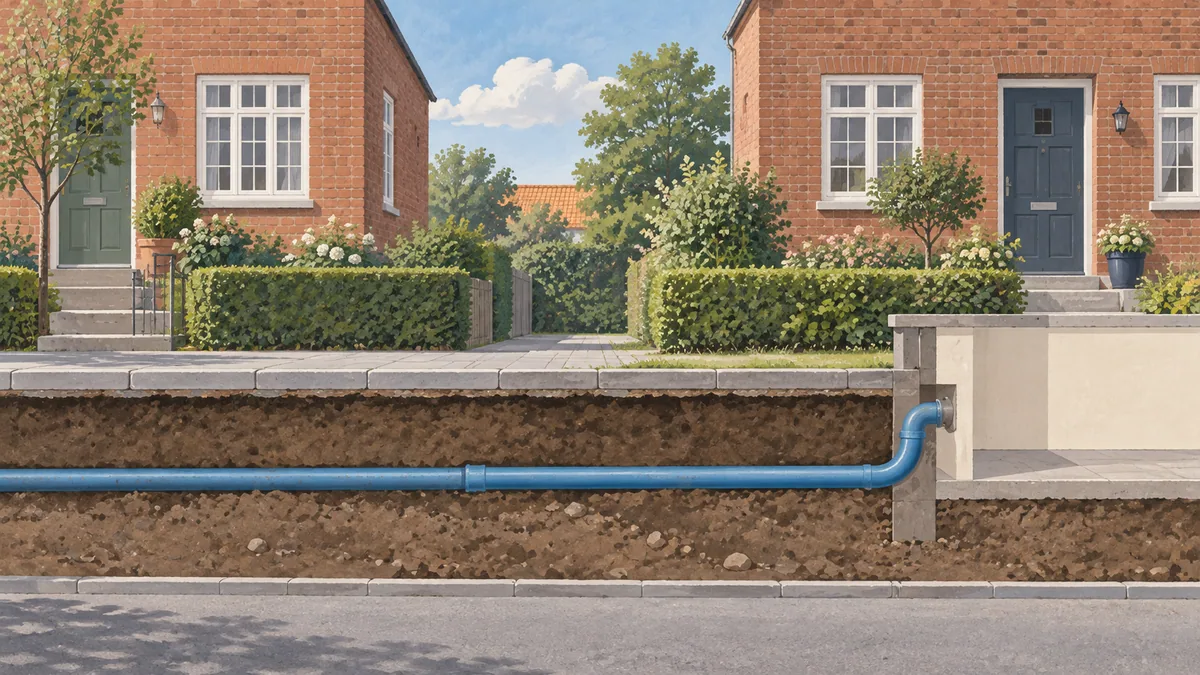
HOFOR’s FAQ starts at the property boundary. Copenhagen’s detailed terms add exceptions that matter before assigning responsibility at one address.
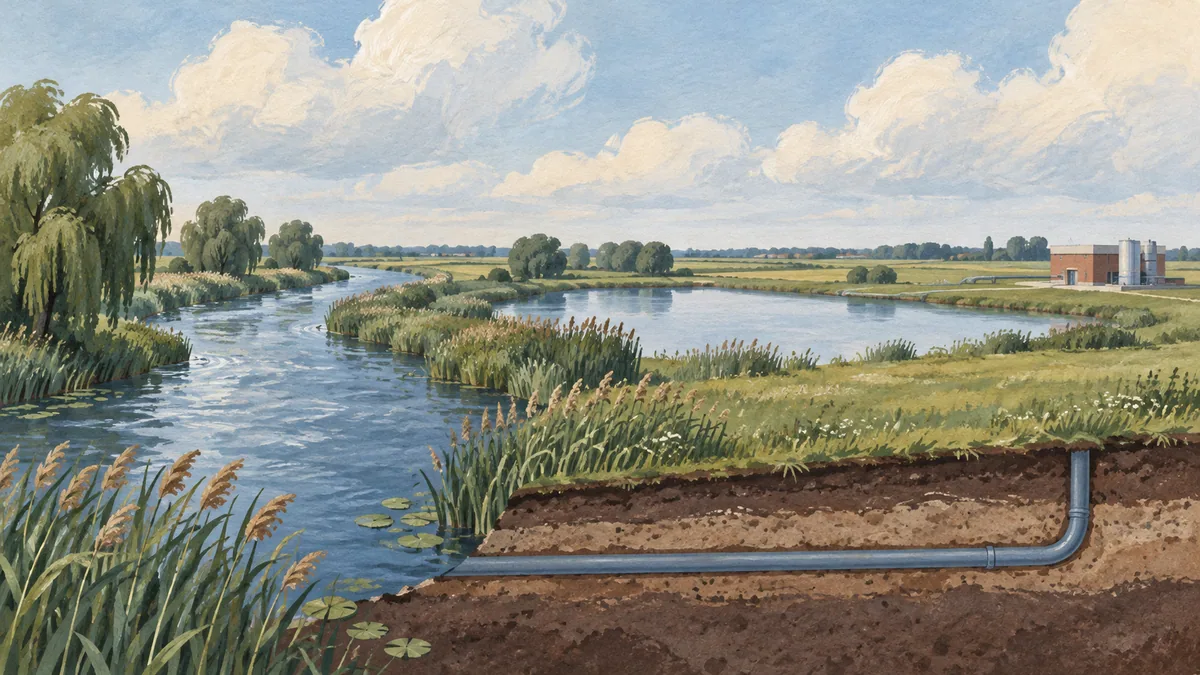
Evides connects the Maas, Biesbosch reservoirs and treatment works. Its regional map and Kralingen description answer different parts of the route question.

Start with the water supplier and full postcode. Then keep the report window, units and sampling context alongside the results you read.

A maximum, an average and a sample count answer different questions. Read them alongside the parameter, unit, zone and reporting date.
The royal opening, full operation and later expansion were different milestones. Heritage records explain the scheme without becoming a present-day water test.

A hardness value needs its supply-area name, reporting year and unit. A dated annual average cannot become a current result just because a page was opened today.
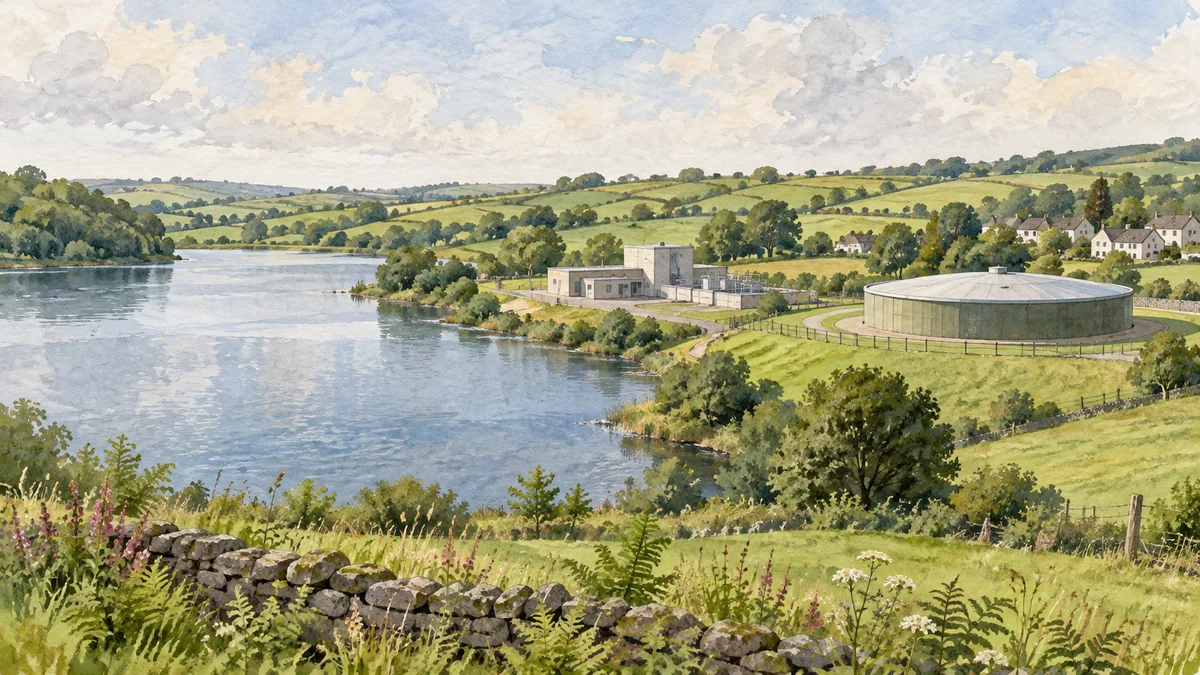
An open reservoir and a covered service tank can both store water while doing different jobs. Follow the treatment stage between them when reading Belfast supply information.

A release date is not a sampling year, and customer reports are not laboratory results. Cork’s official records provide useful examples of both distinctions.
Groundwater can supplement Bull Run or replace it temporarily. Compare the seasonal plan with the date of the utility’s latest source statement.
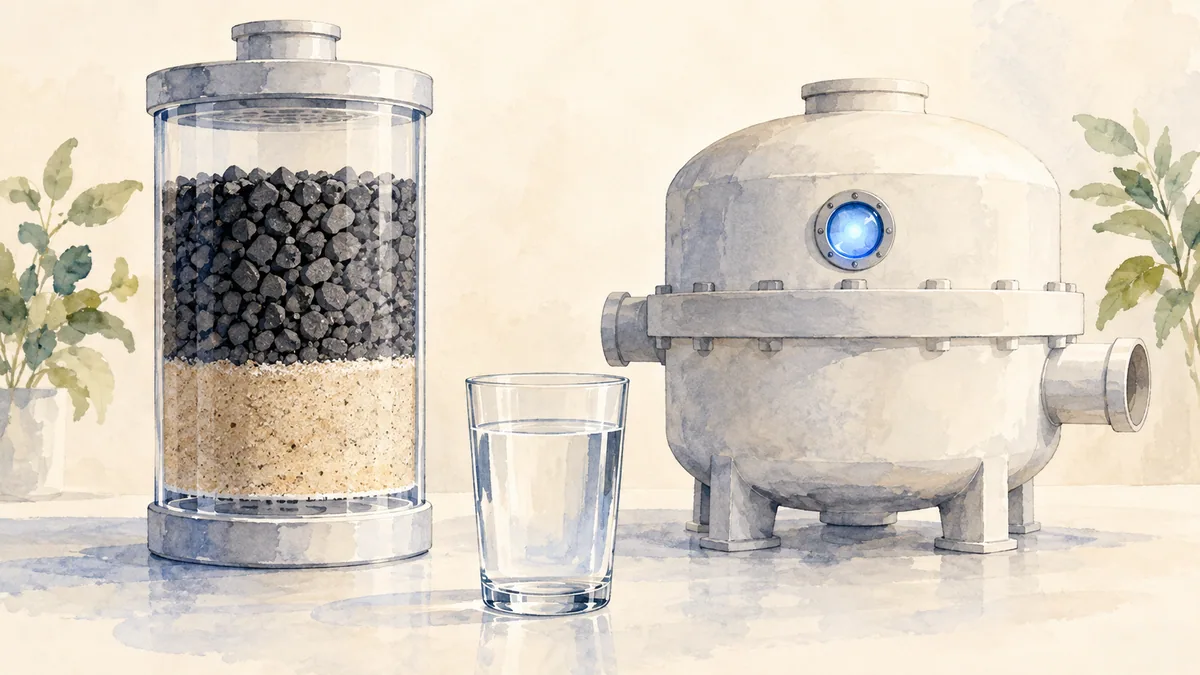
Read the source name attached to the exemption. SFPUC describes disinfection for Hetch Hetchy and filtration routes for water stored in its local reservoir system.
A report cover, a collection period and an availability announcement carry different dates. Keep each with the claim it supports.
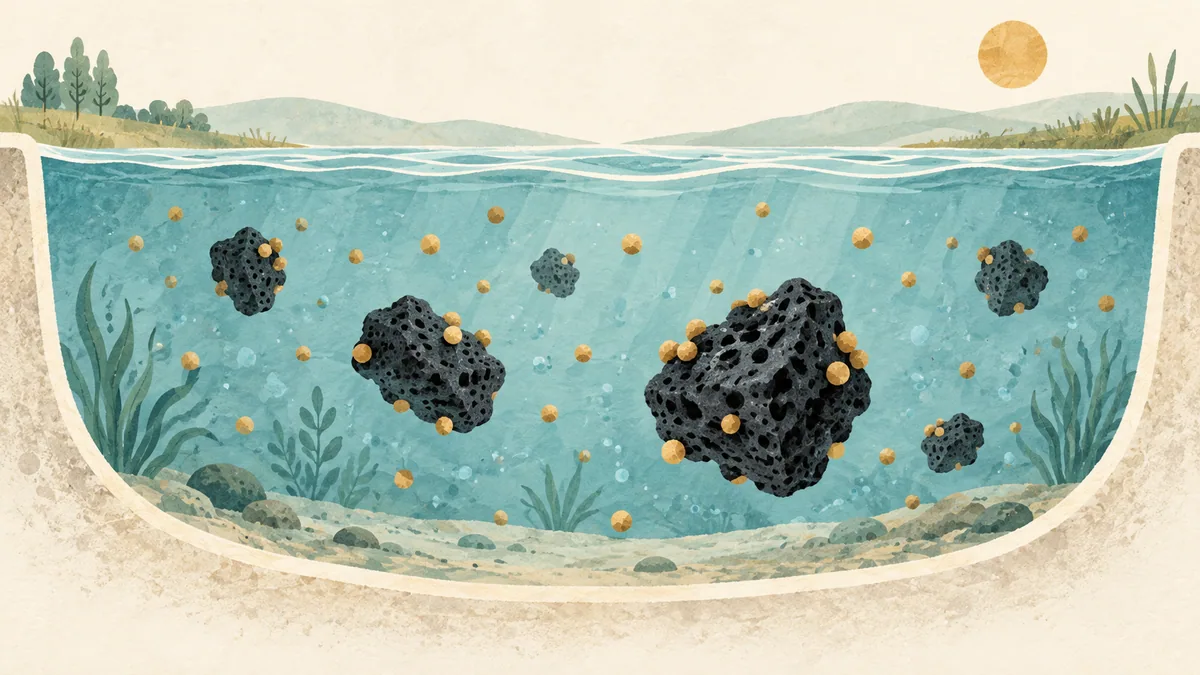
The carbon process, construction plans and a dated result answer different questions. Check the substance and the sampling period.
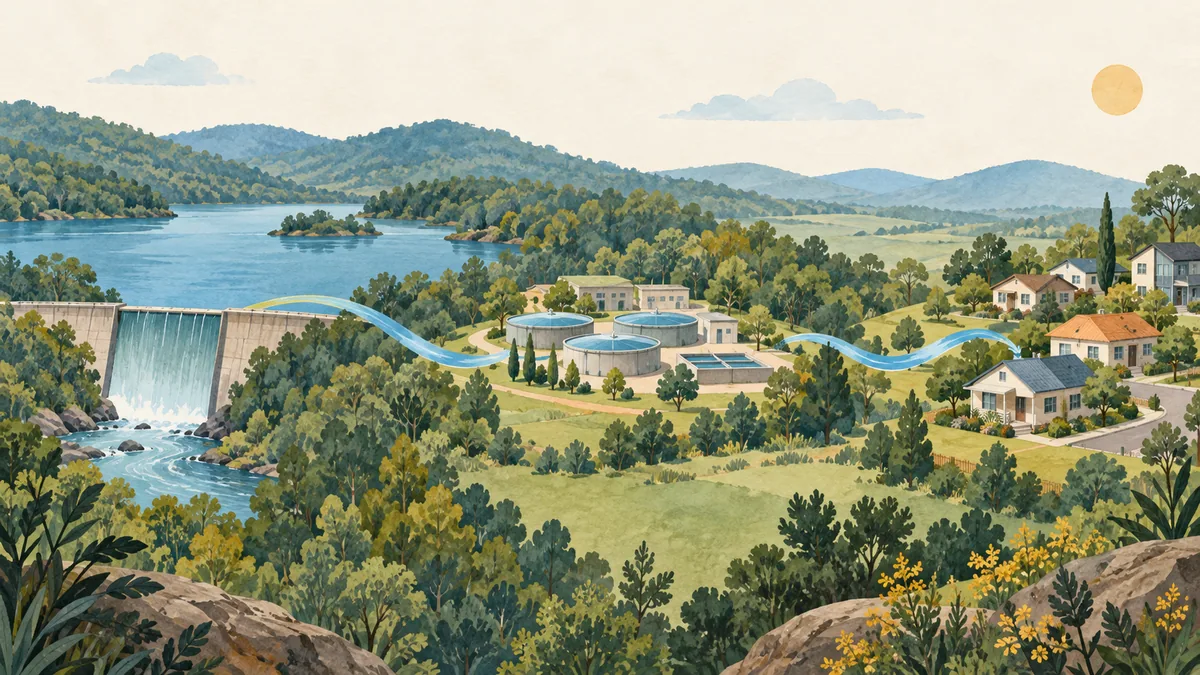
Catchment records and treated-water service records belong to different parts of the supply. Use the relevant organization and sample point.

A permanent rule continues between drought stages. A forecast of possible restrictions is a separate record from an effective stage notice.

A reservoir can store imported river water as well as rainfall. Adelaide's connected network leaves more to the source question than a single citywide label.

Tiaki Wai's completed July 2026 handover changed assets and operations. Catchment land, governance and the customer contact route need their own explanation.

Hardness and alkalinity both use mg/L as CaCO3 in Calgary's tables. The parameter name, plant and reporting period still belong beside each number.

E.L. Smith and Rossdale draw from the North Saskatchewan River. Their process descriptions explain the route; dated monitoring answers a different question.

Munich's January 2026 analysis uses a hardness median and percentile bounds. Its companion webpage explains the range differently.
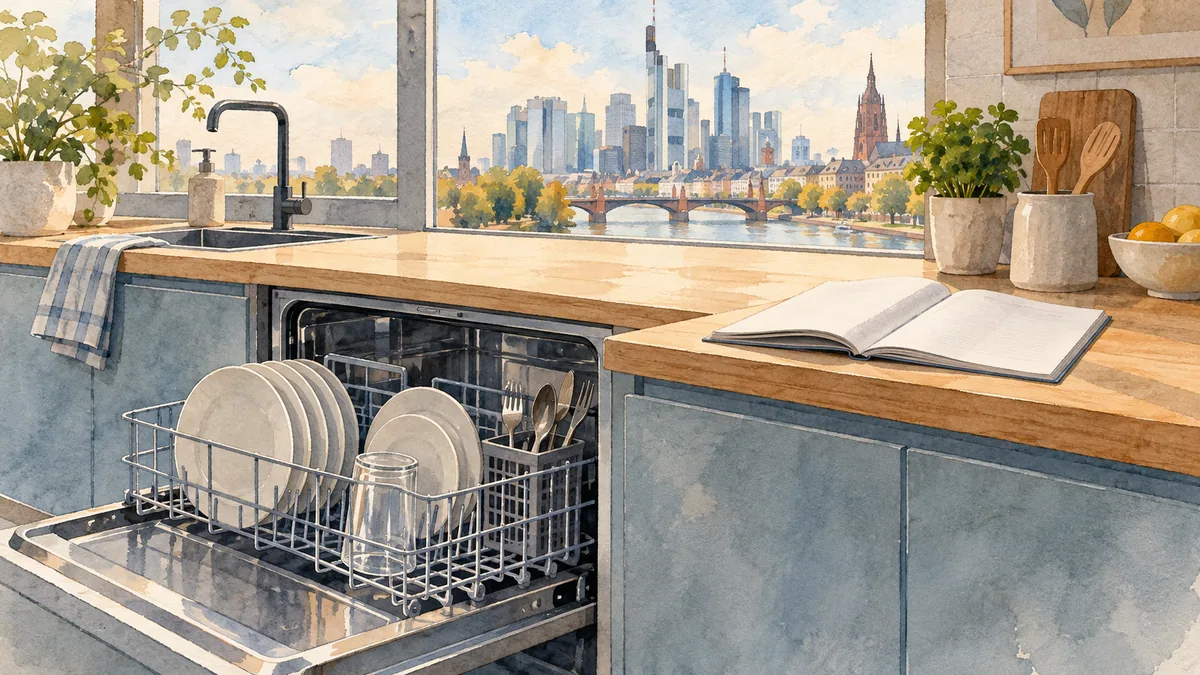
Mainova's supply-area range cannot choose an appliance setting. Match the relevant address information and unit to the actual model's instructions.

Oslo describes a future Holsfjorden connection alongside its operating systems. Construction and test dates do not establish an address commissioning date.

A Kralingen report names its production location and reporting window. Keep those details and its unit conventions attached to every quoted result.
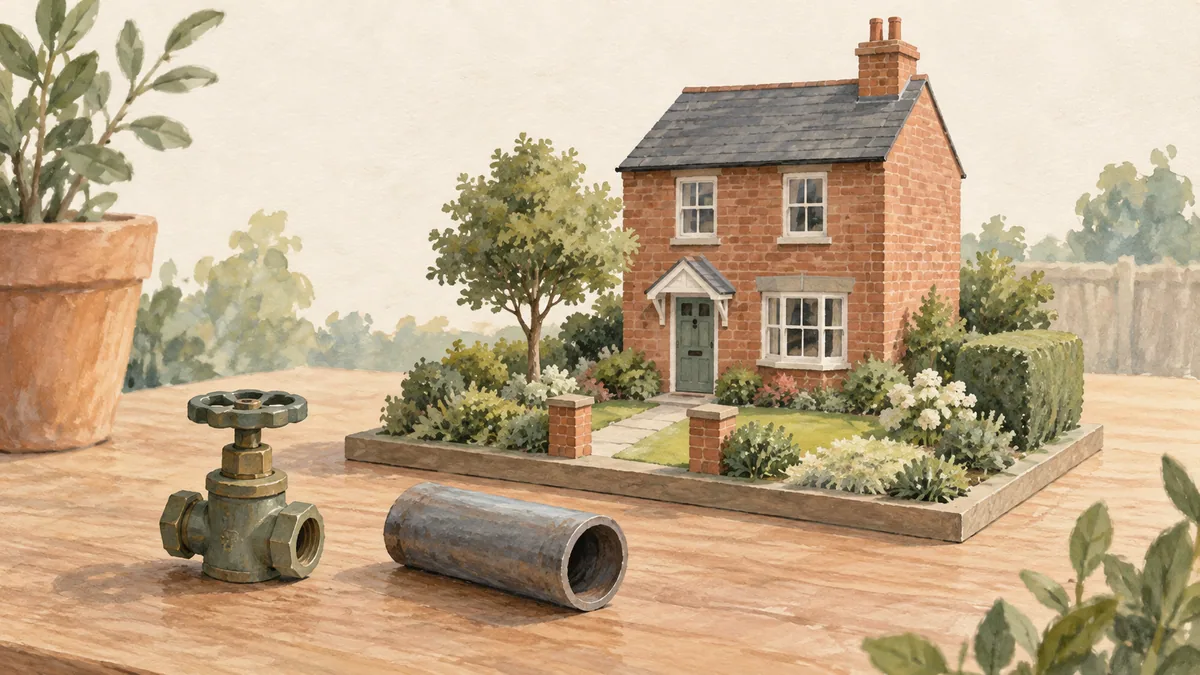
Severn Trent's usual pipe split has exceptions. Identify the pipe section and controlling stop tap, including whether the connection is shared, before arranging a repair.
A weak flow gives you something to report. Compare the affected outlets, note the timing and use the utility's guidance to decide who to contact.
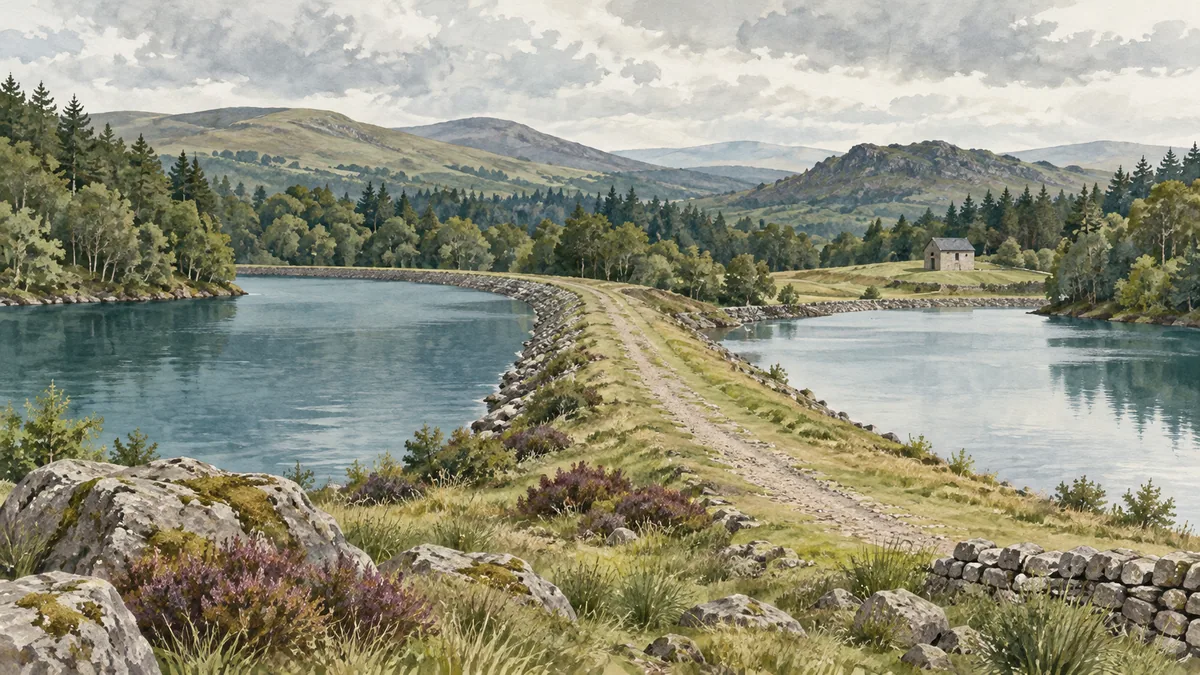
Mugdock and Craigmaddie are part of a working supply site. The waterbodies, treatment facilities and walking routes have different purposes.

Bristol Water describes reservoirs, canal water and groundwater before treatment. An individual tap's source mix still needs an address-specific link from the supplier.
Describe a loss of flow and a change in water separately. NI Water’s incident categories and contact advice help you report the concern without diagnosing safety from appearance.
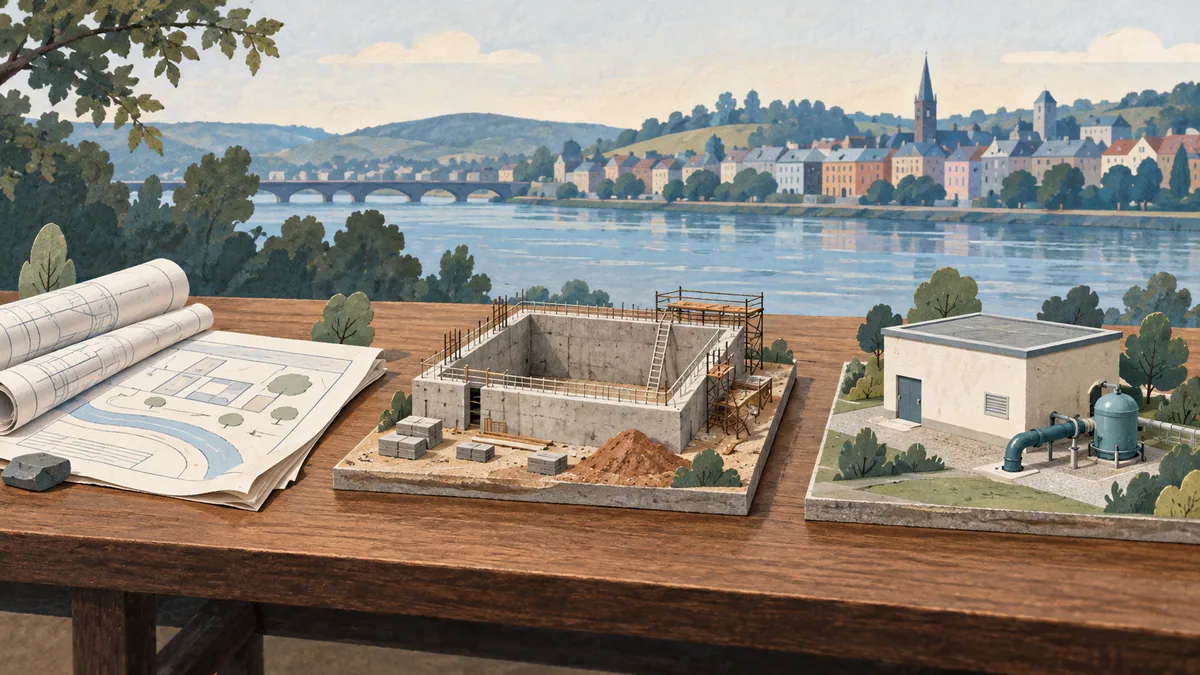
Cork’s original plant upgrade, later additions and continuing network work have separate timelines. Keep the named asset, date and reported stage together.
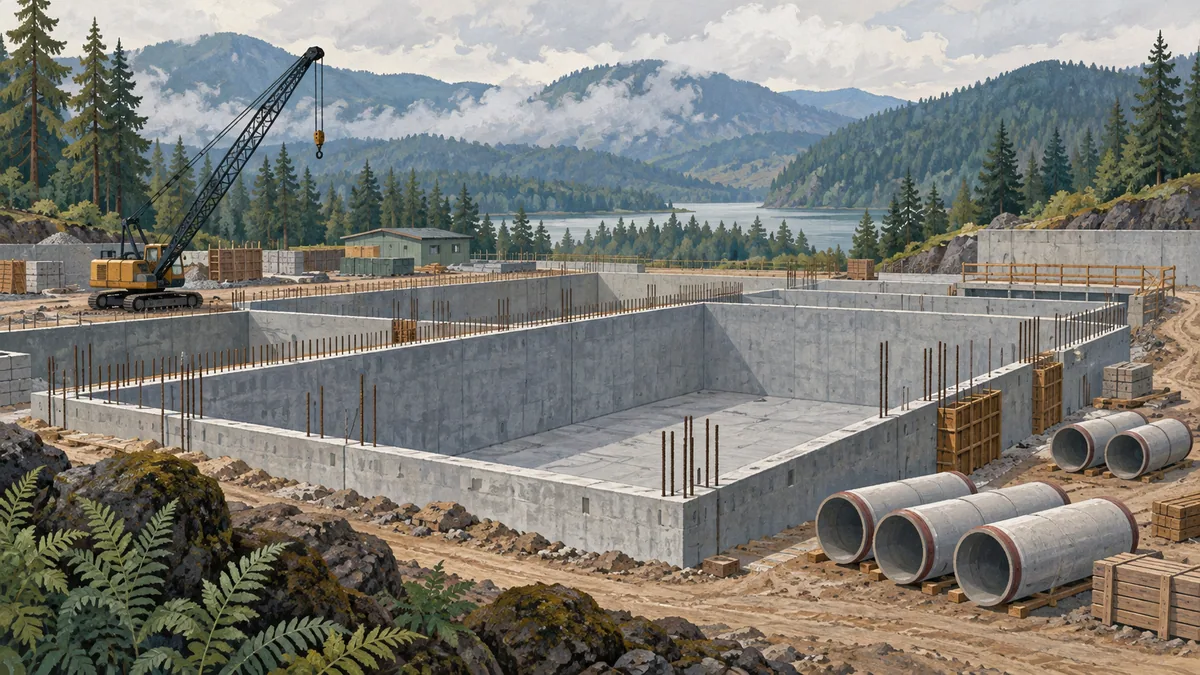
A completed concrete slab is not an operating filter. Portland’s 2026 updates show how to read progress reports while keeping the future filtration deadline in view.
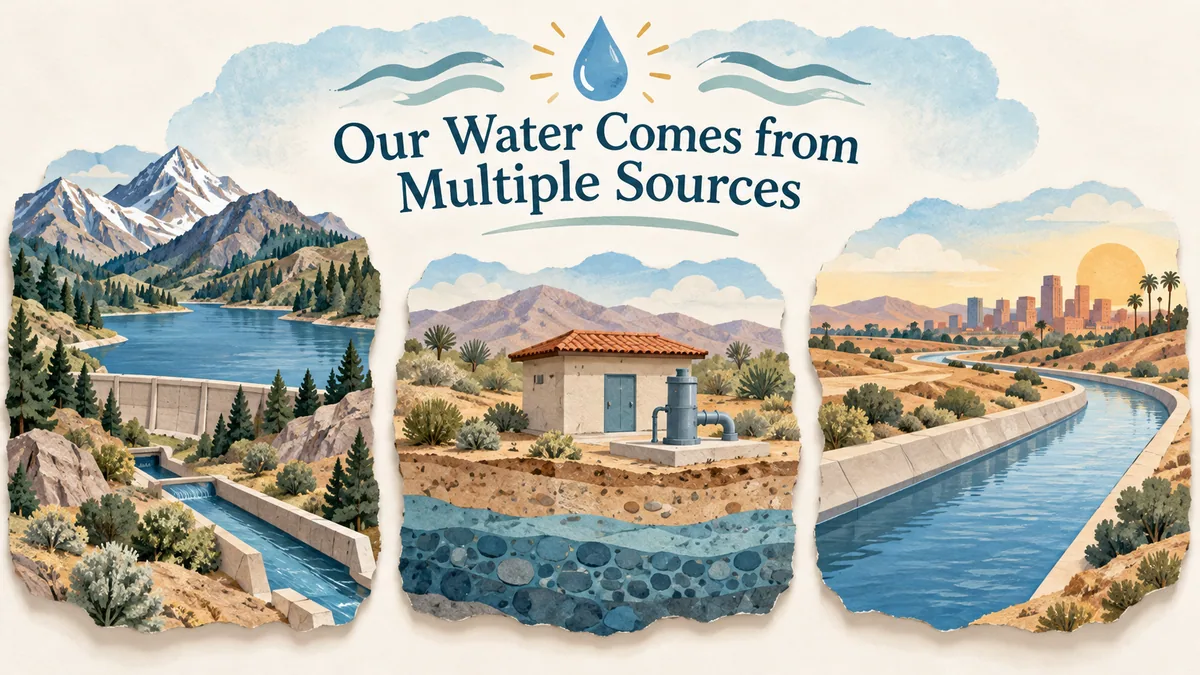
LADWP’s supply portfolio describes sources across a system. Keep the reporting year and community table with that account when asking about a Los Angeles address.

Denver's pH target describes corrosion management. A hardness result describes a different water characteristic and needs its own source and unit.

PWD says lime adjusts acidity and slightly increases hardness. Read that process alongside the dated report and its separate corrosion-control description.

A plant's capacity, a production request and a dated delivered-water total describe different things. Keep the period and system boundary with each.

Seqwater supplies treated bulk water; Urban Utilities is Brisbane's local service provider. Match the question to the provider and keep report dates attached.

SA Water's profile starts with a suburb or postcode. Its unit labels and reporting window matter before a hardness figure is used for an appliance.
A repair estimate and a drinking-water instruction answer different questions. Use each Wellington notice's actual type, area and update time.

Metro supplies the City, while local service pages explain municipal and property responsibilities. Keep each page's named boundary attached.
A monthly count, a year-to-date range and a sampling target are different measures. Edmonton's report series keeps their periods and locations visible.

SWM's conditions valid from 1 February 2023 place delivery before the meter. Connection ownership is a separate question.
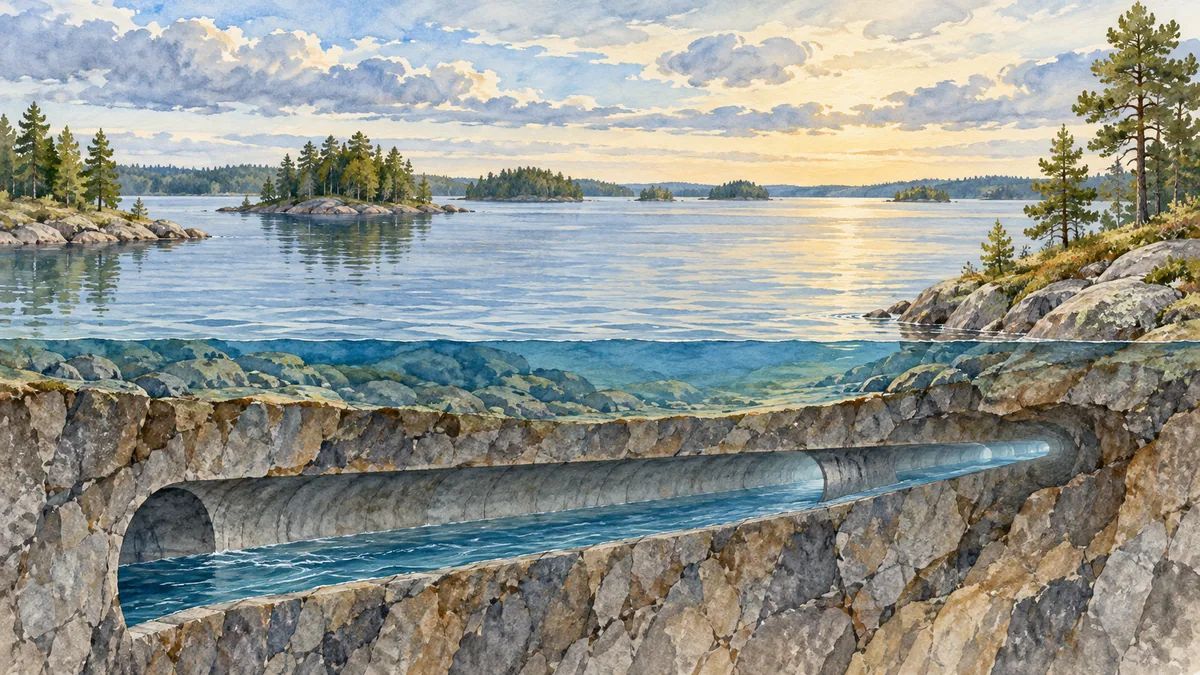
The company began in 1972, construction in 1973, partial use in 1979 and full use in 1982. Keep those events separate.

The mapped catchment rules govern activities near the source. They do not establish a household water-quality result.

Keep the July 2024 intake episode separate from the April 2026 planning announcement and the later 2028 to 2033 programme period.

Take the S1 to Rathen, cross the Elbe and walk up to the Bastei. Check the ferry ticket rules and current paths before setting off.

Arriving before check-in? Compare station lockers with Crosta Kyoto's staffed storage, then plan what to carry and when to collect your case.

Use the official registration process, distinguish a confirmed request from a booked visit, and check whether the dome or only the roof terrace is available.

A practical guide to Lisbon tram fares, the occasional travel card and the green validation signal, with the 2026 operator prices.

Plan the Abbey circuit through the city, canal and Bathwick Fields.

Plan a Markthal lunch with current operator guidance on hours, ordering and group seating.

Bologna turned a way to enlarge houses into covered public street space. Its porticoes took different forms over the centuries, in timber, brick and concrete.
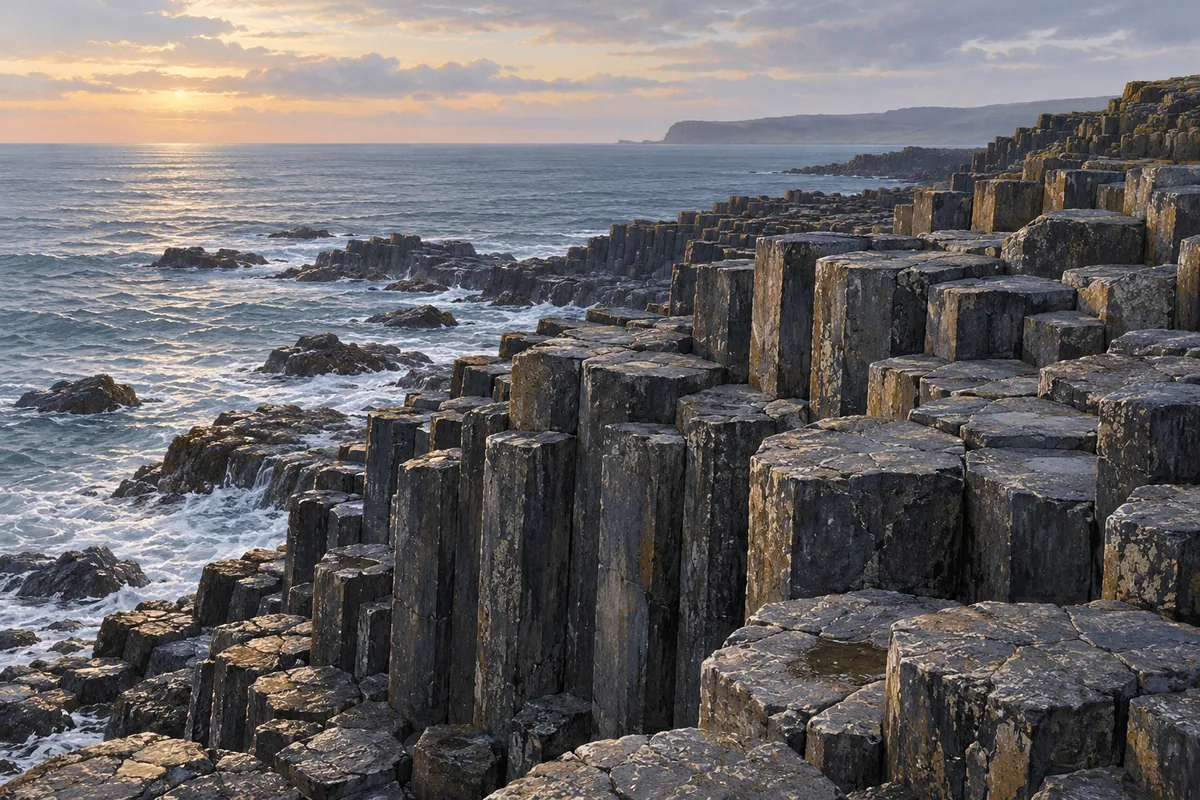
The Giant's Causeway records a cooling lava flow. Contraction explains its long columns, while the way cracks meet helps explain their polygonal tops.

Start with a small order, ask how the bar serves its pintxos, and pay before your next stop.
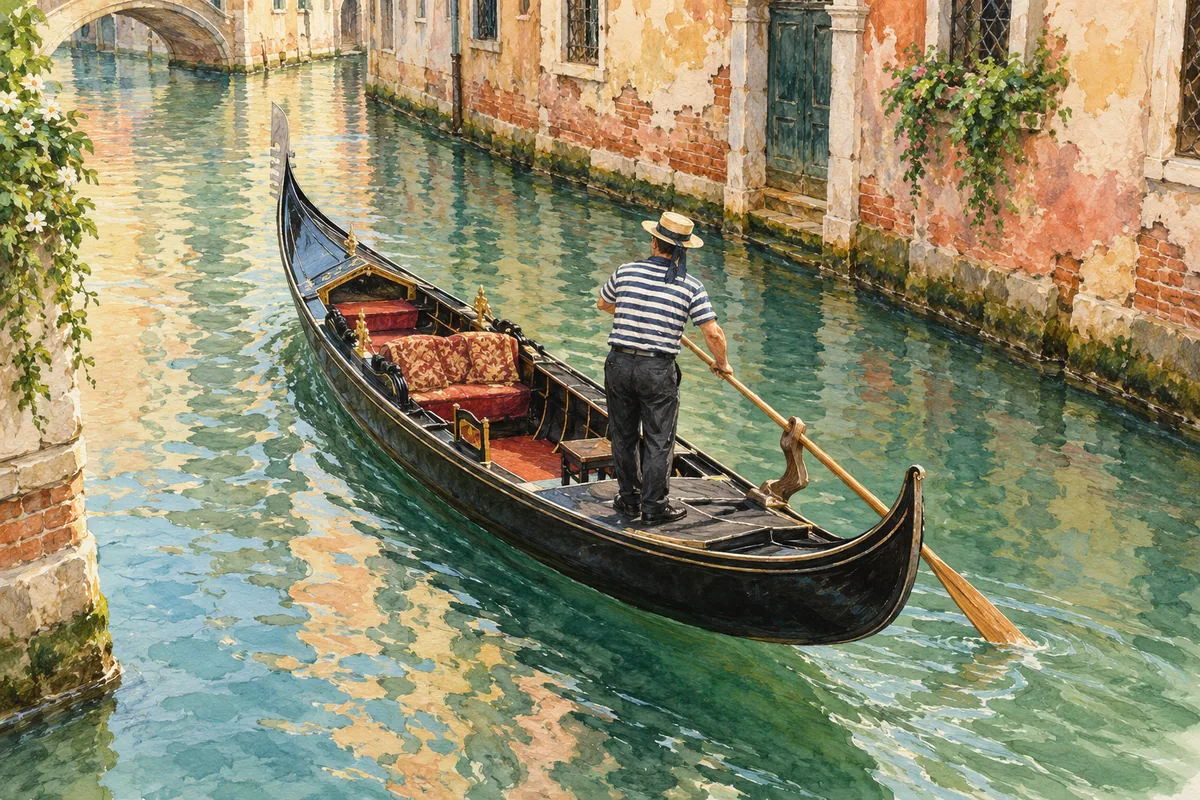
The uneven hull helps with balance and rowing from one side; the carved forcola gives the oar several places to pivot.

Swiss trail colours describe terrain and the skills a walk requires. The arrow’s tip, destination order and walking time add details for planning.
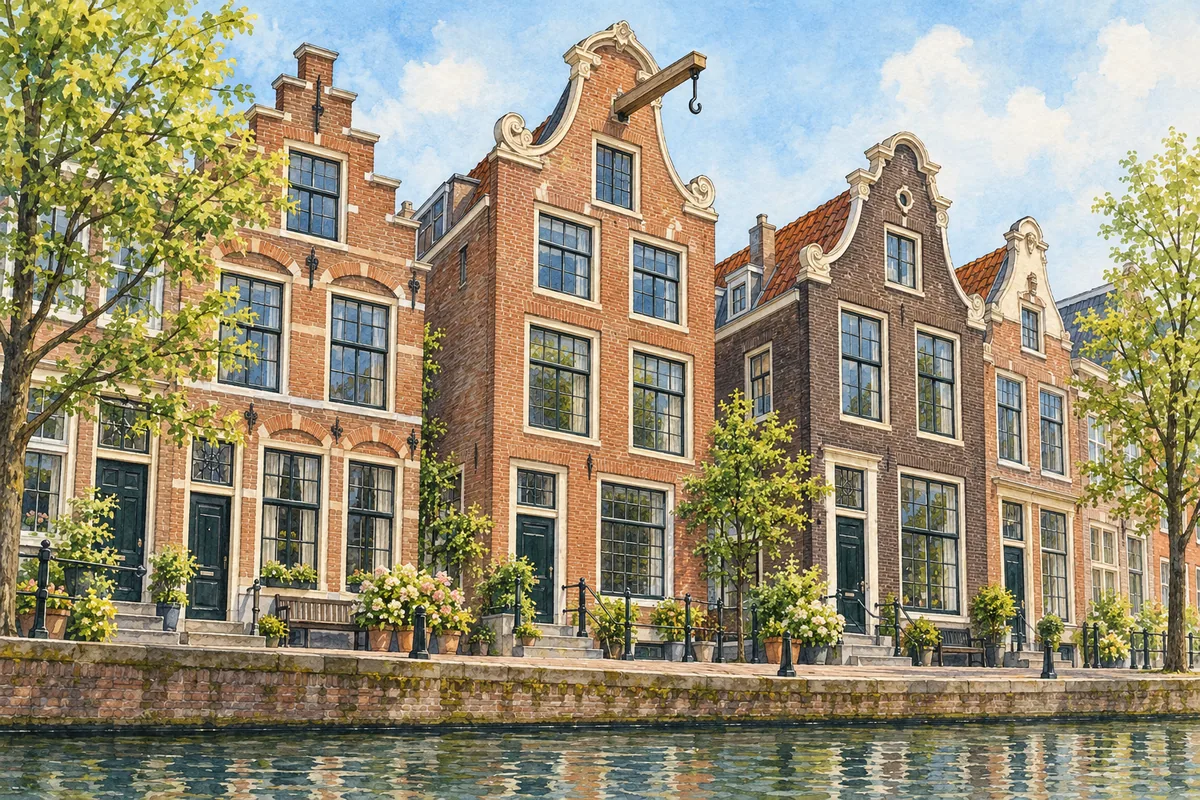
The hooks above Amsterdam’s windows served the storage rooms upstairs. Their beams could be practical and decorative.

A Viennese Melange is coffee with warm milk and a topping of milk foam. Named recipes explain the cup and its whipped-cream alternative.
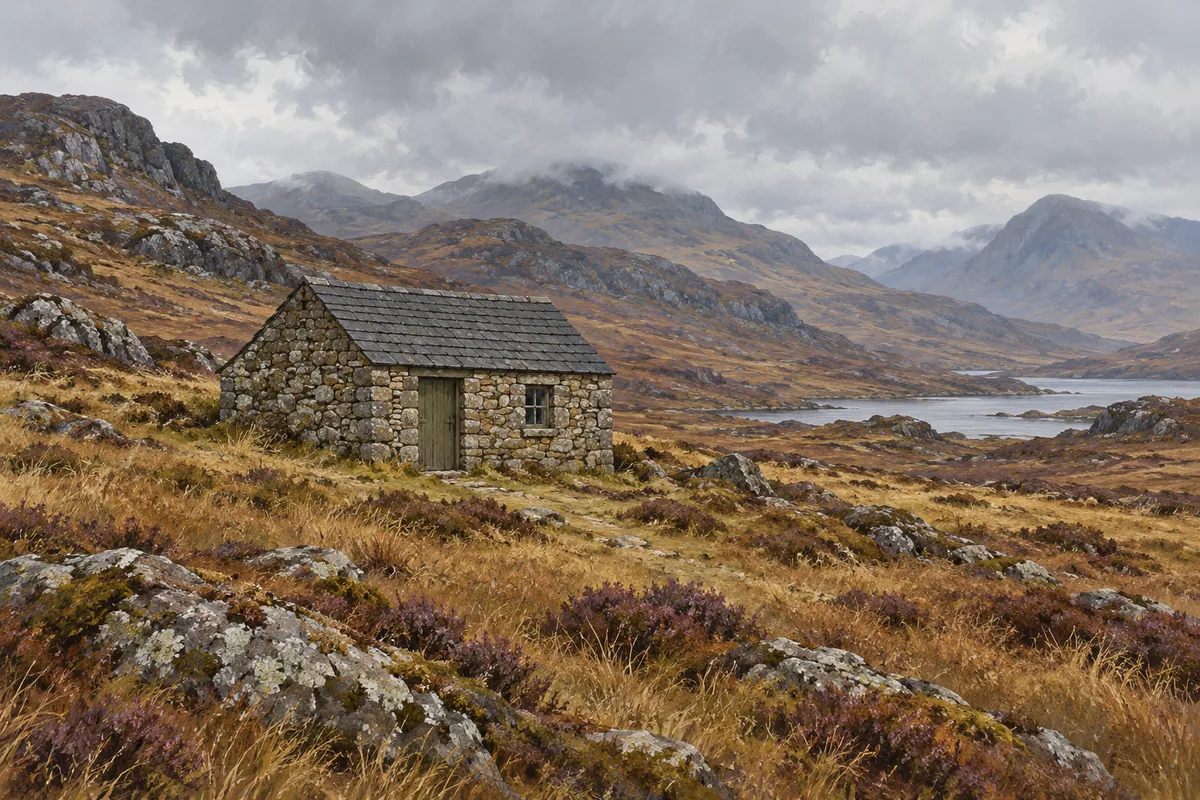
MBA bothies offer basic shared shelter without reserved sleeping places. Pack your own overnight kit and check the chosen bothy before setting out.

A sleeper berth can still be shared. Check Nightjet compartment occupancy, carriage design and included services before choosing where to spend the night.
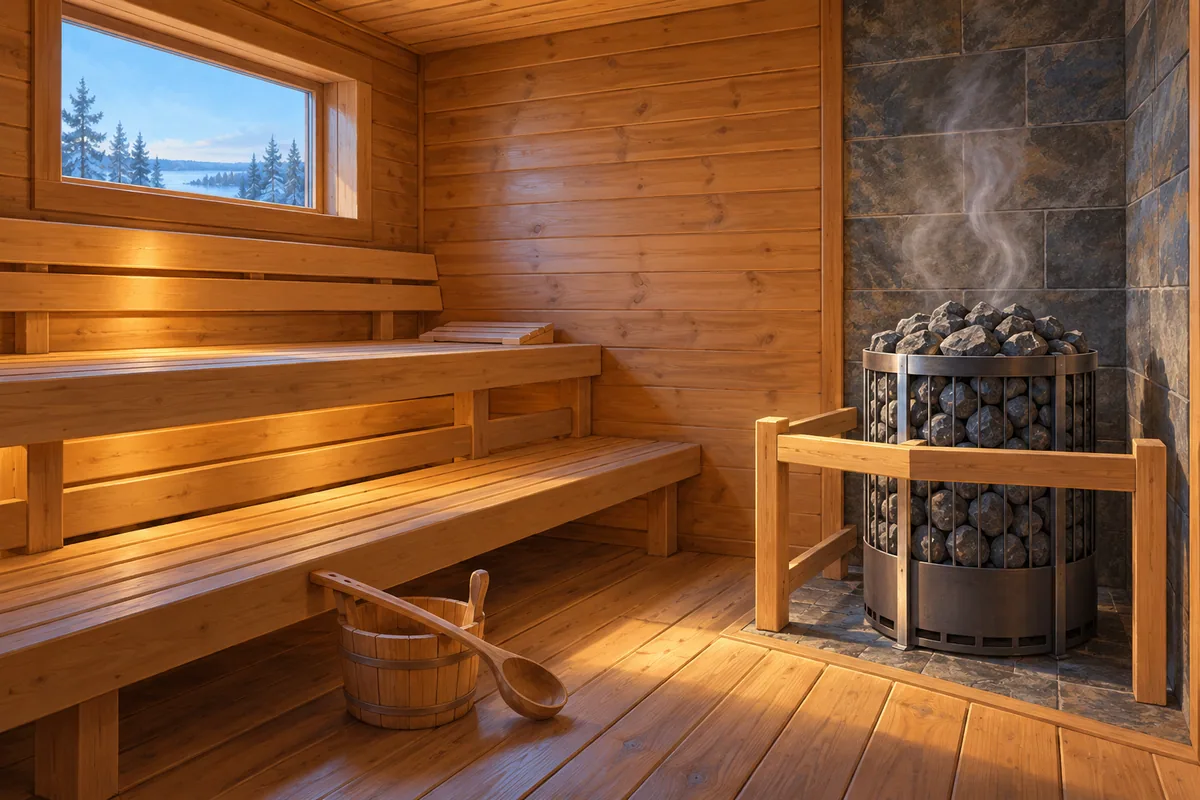
The stones hold heat for bathing and provide a surface for making steam. Heater design and shared sauna customs shape how visitors use them.
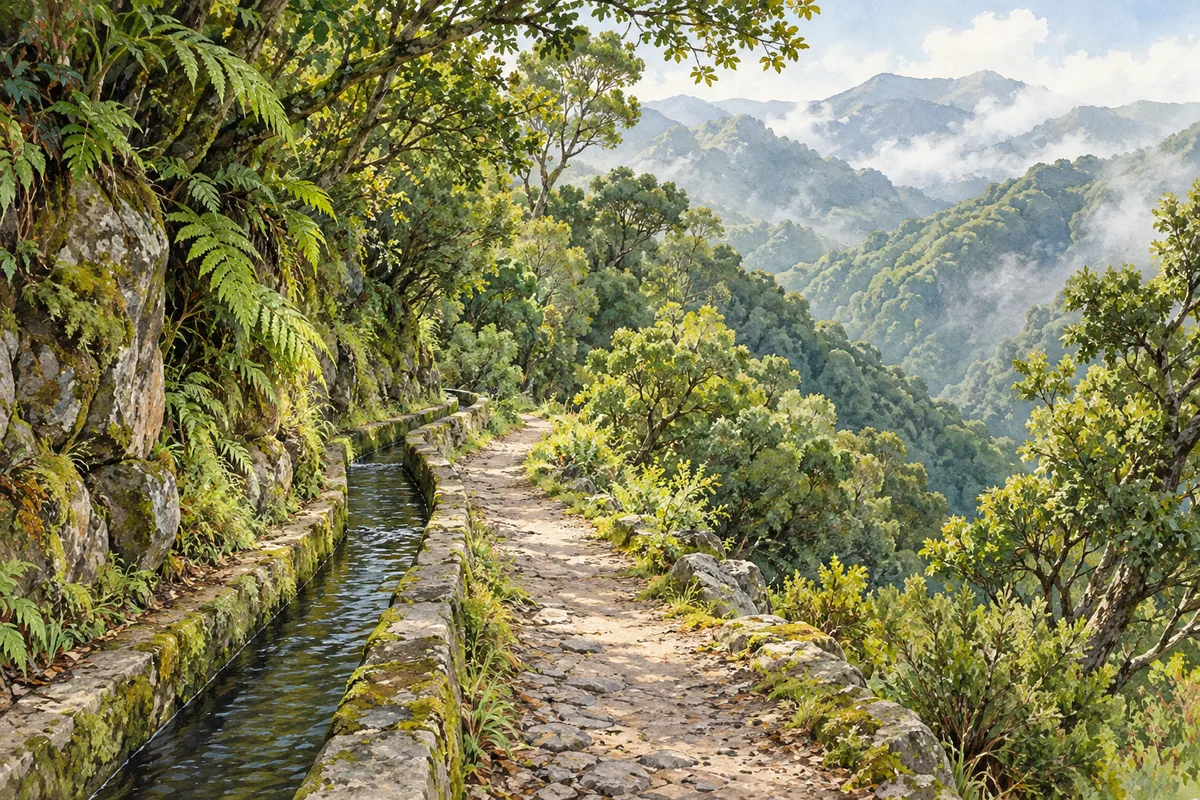
Water channels cross Madeira's hillsides beside walking paths. Route descriptions help you judge the distance and terrain, including any tunnel sections.
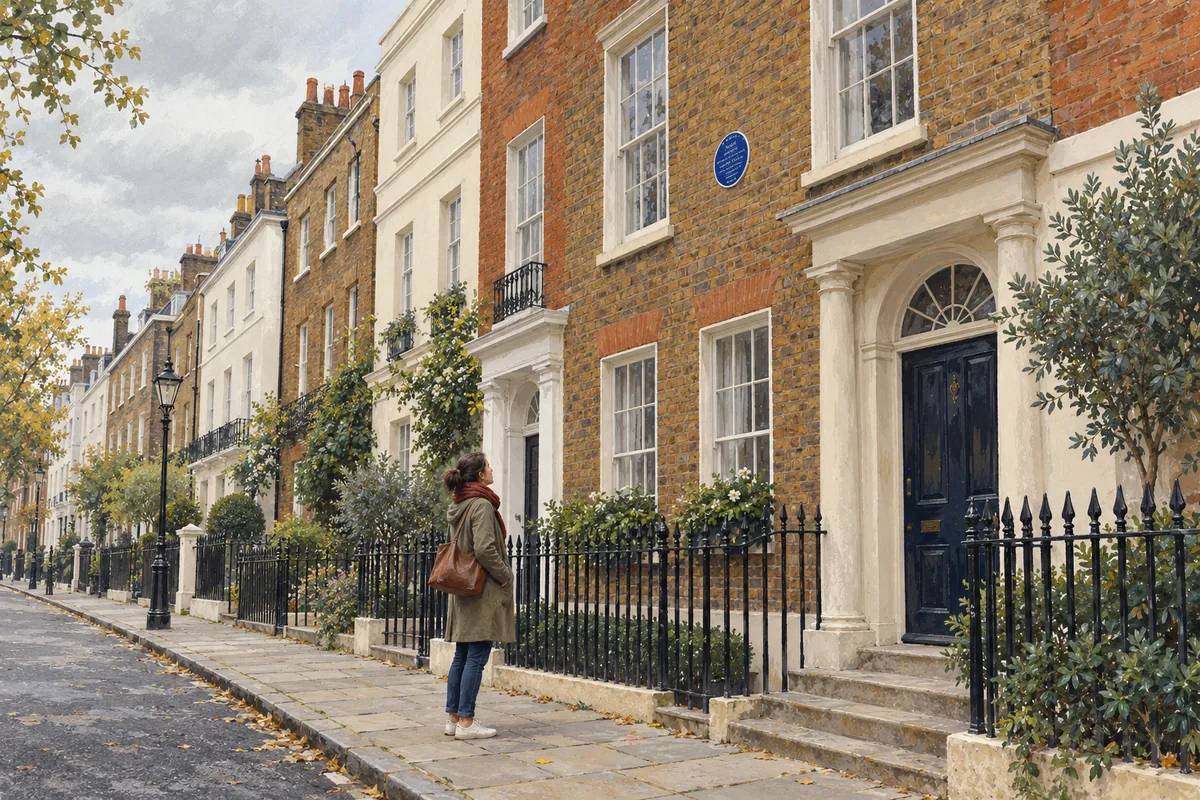
A blue plaque links a person to a place. Learn what its wording and dates mean, which scheme put it up and how to plan a short walk.
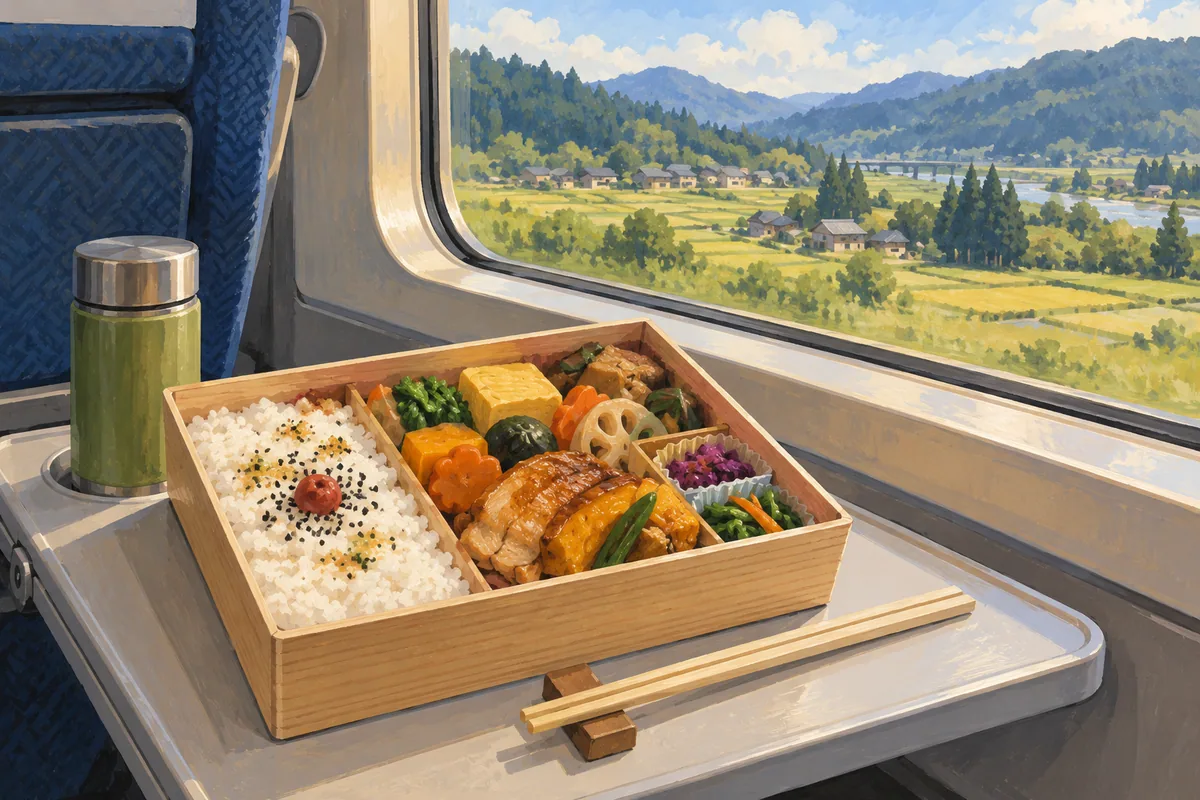
Ekiben are boxed meals for Japanese rail journeys, often made with regional recipes. Find one at a station and choose a suitable place to eat.

Dutch cycling junctions let you plan a ride around numbered points. Follow the sequence, read the distance separately and keep the route map for missed turns.

Alberobello's familiar cones cover an inner stone roof. Follow the construction from limestone walls to the outer slabs, then look for connected rooms beneath the peaks.

Ham, cheese and egg define the classic complète. Read the flour, filling and egg terms on a Breton pancake menu.

Choose a goshuincho and follow the shrine or temple’s reception instructions, including local differences in book collection and separate paper seals.

Upright wooden posts give stave churches their name. At Urnes and Gol, reused carving and later restoration reveal parts from different periods.
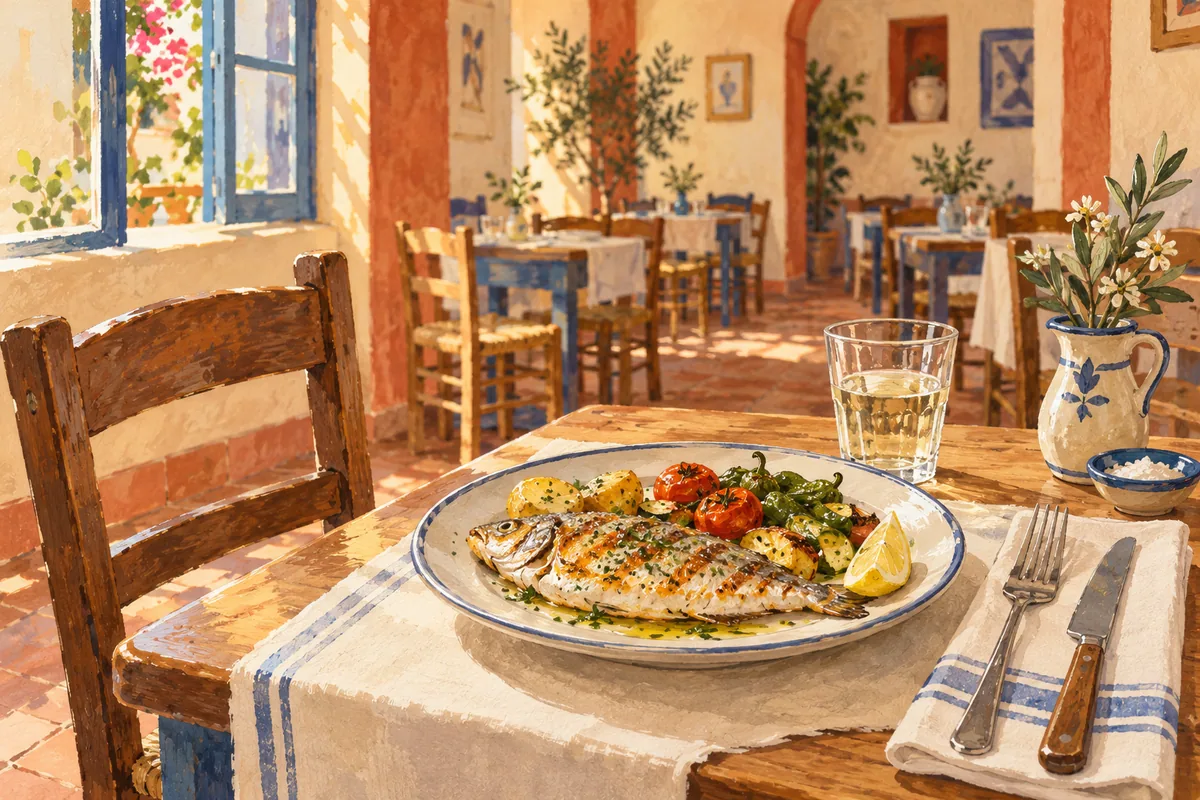
A menú del día is a set-meal offer. Check which courses you can choose and whether the price includes a drink, dessert or coffee.
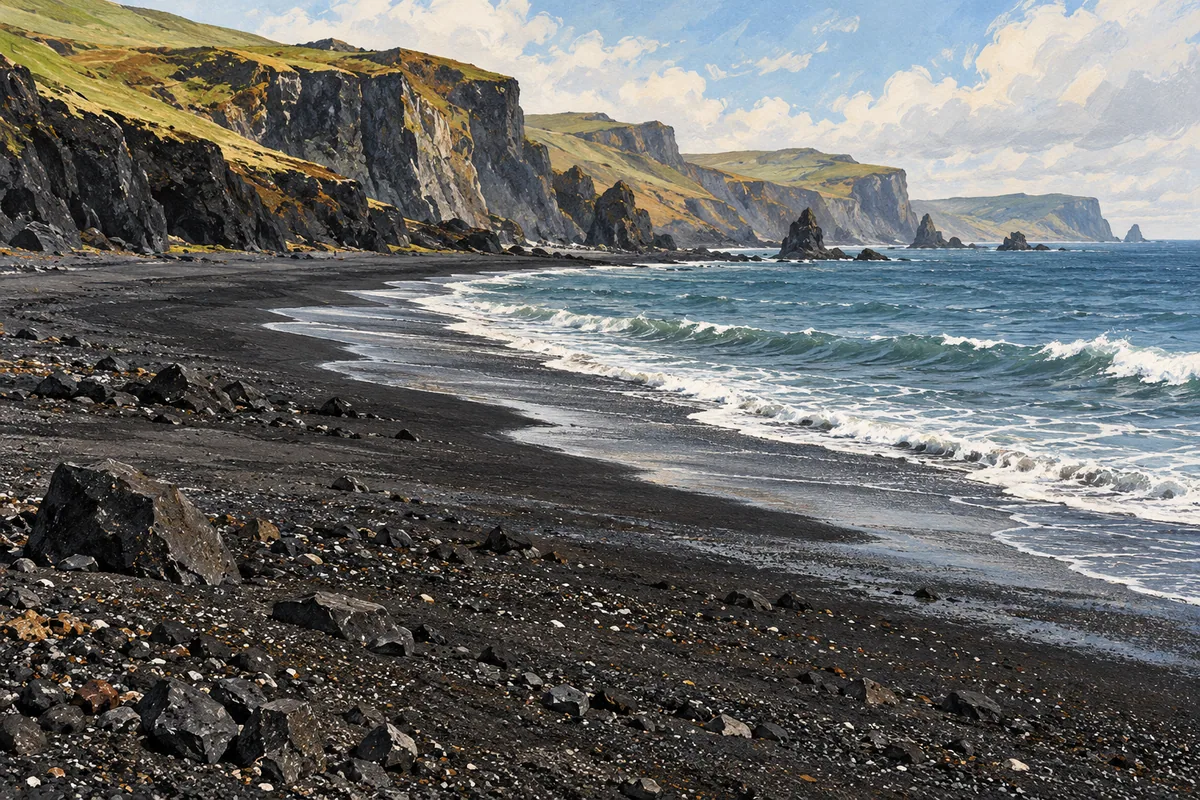
Volcanic rock can break into dark sand. Waves and wind can also concentrate dense, dark mineral grains from a mixture.
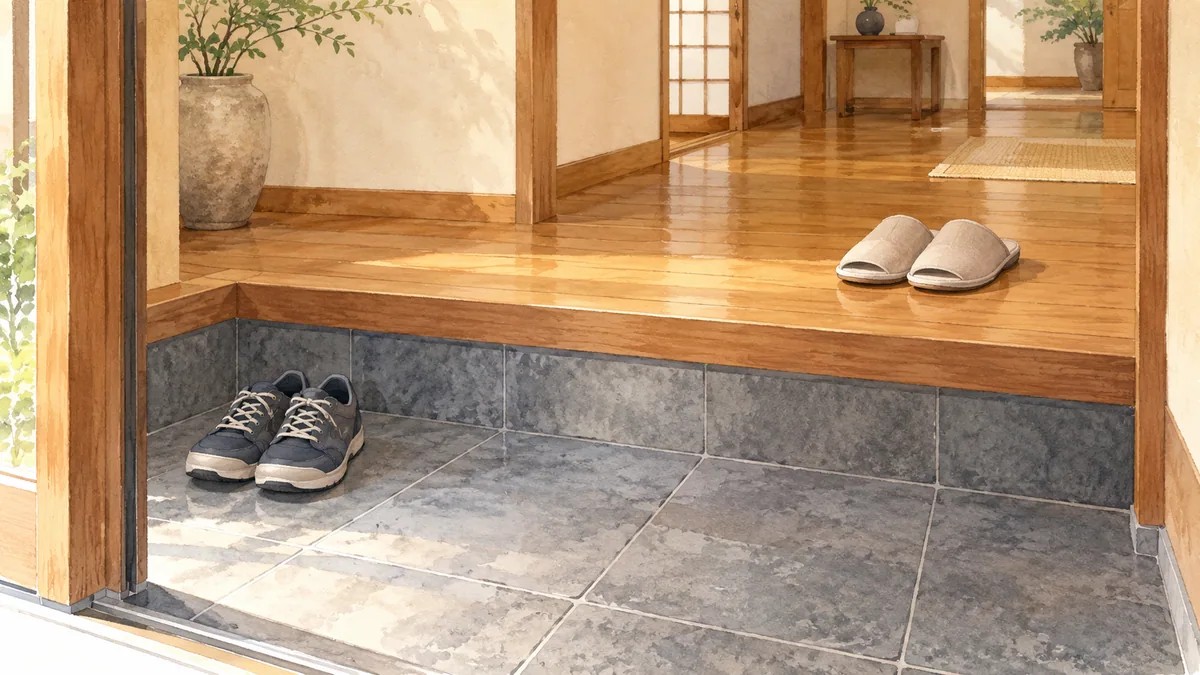
A genkan separates outdoor shoes from the indoor floor. Follow your host's storage instructions and take off slippers before stepping onto tatami mats.
Check water safety for 10,000+ cities worldwide before you travel.
Search Cities