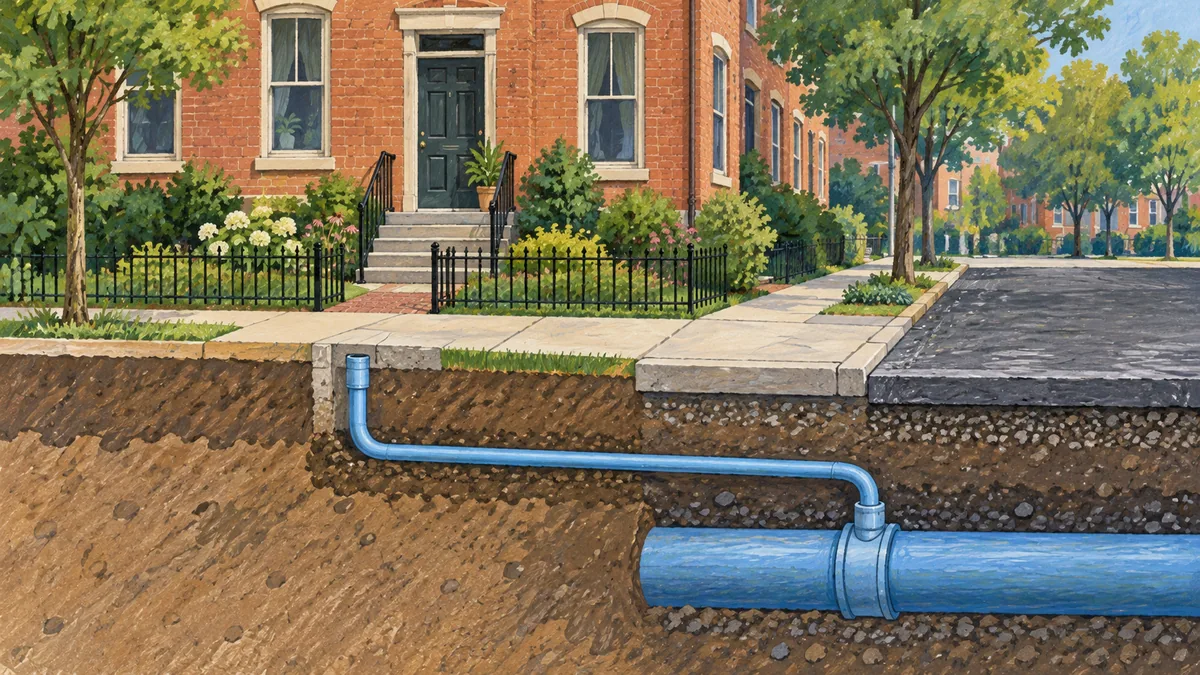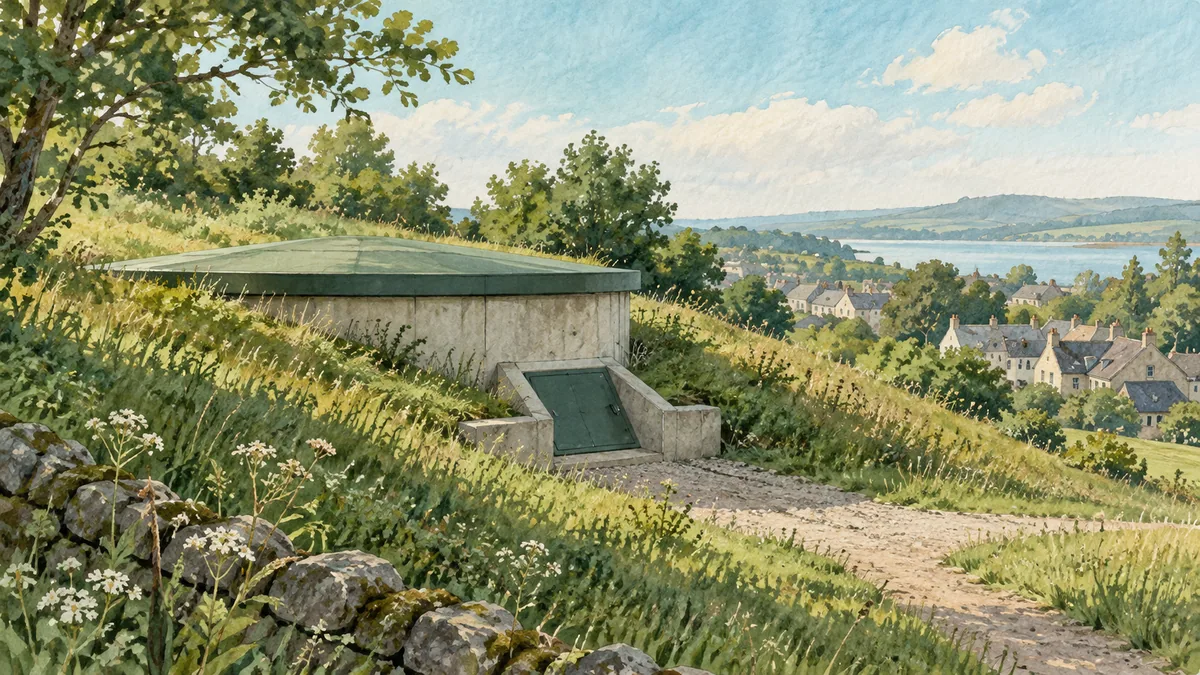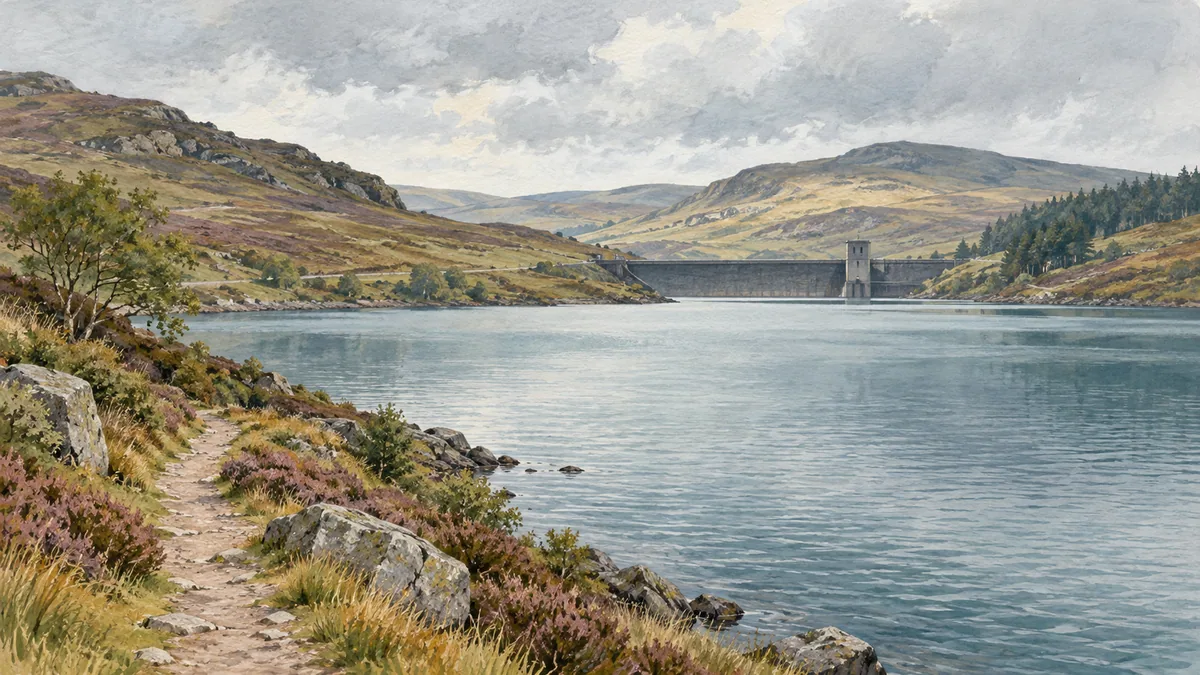
Oslo's new water-supply project and its present drinking-water system appear on the same municipal website. Read the dates and whether each page describes planned or operating supply. A page describing what is being built can explain the future network without identifying what is supplying an apartment today.
For a reader planning a visit, it helps to separate the supply question from the construction question. You might want to understand a tunnel project seen in the news, or you might need information about the water at a particular address. Those questions lead to different municipal records.
Keep today's named systems in view
The municipality's drinking-water quality page pairs Maridalsvannet with Oset treatment works and Elvåga with Skullerud. It also explains that areas normally served by Skullerud sometimes receive Oset water for operational reasons.
That is a reason to avoid assigning a source to a property from a simplified city map. A supply description can name the usual system while leaving operational changes possible. If an address-specific source matters to your inquiry, ask the municipality which information applies to that location and period.
Keep the treatment works beside the source name when taking notes. Otherwise, a discussion of a lake, a treatment facility and a distribution area can lose which part of the system each name describes. A familiar place name is not enough to establish an individual building's connection.
Read construction dates as a schedule
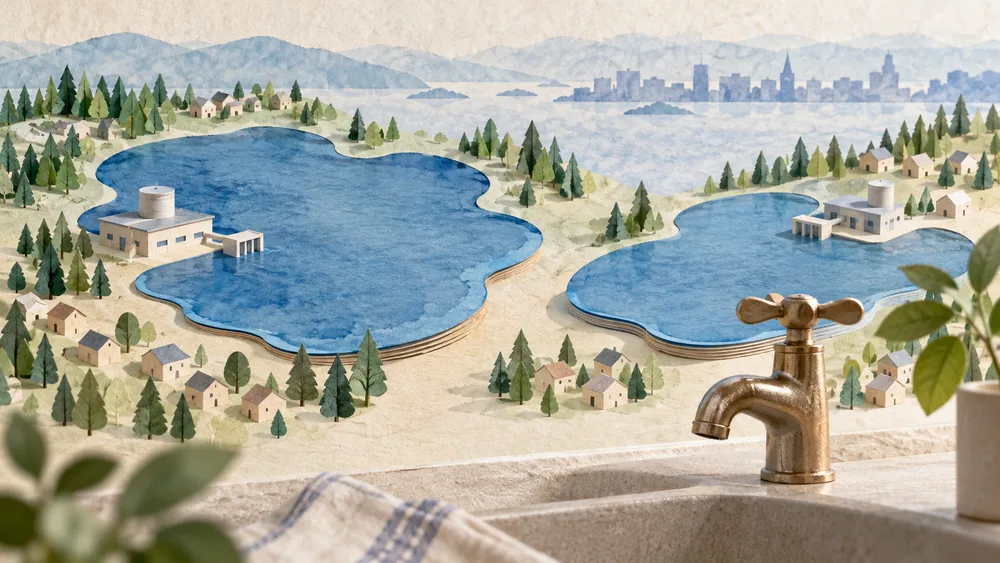
The municipal construction schedule describes a new Holsfjorden intake and a tunnel to Huseby. It schedules treatment-plant construction and installation for 2023 to 2027, test operation for 2027 and completion of all works in 2028.
These are the stages stated in that schedule. They do not, by themselves, document the date water from a particular new facility began reaching customers. Construction, testing and operational handover should keep their separate meanings when a project description is summarized.
A tunnel can be discussed in a progress update without the complete supply system having entered service. Before changing a present-day source description, look for a municipal statement that explicitly identifies commissioning or operation, the facility involved and the date. A planned completion year alone does not supply those details.
When an older article and a newer project page appear to disagree, compare the activity each describes before treating the difference as an error. One may describe operating supply while the other describes the planned additional supply.

Keep the planned start separate from a current address
The city's project overview gives a target of 1 January 2028 and describes taking water from Holsfjorden in Lier to a new treatment plant at Huseby. The target remains a planned date, not a commissioning record for a home today.
When quoting that page, retain the future wording. Replacing a planned connection with a statement that every resident already receives the new source would add a claim the project description has not established.
For a present supply problem, the quality page describes municipal notices to affected people for maintenance, leaks and boil-water recommendations. Use the relevant current notice or municipal contact for that problem; a construction timetable cannot resolve a household interruption. The Oslo city guide offers general visitor guidance, while the city's operating information and project records answer their separate questions.