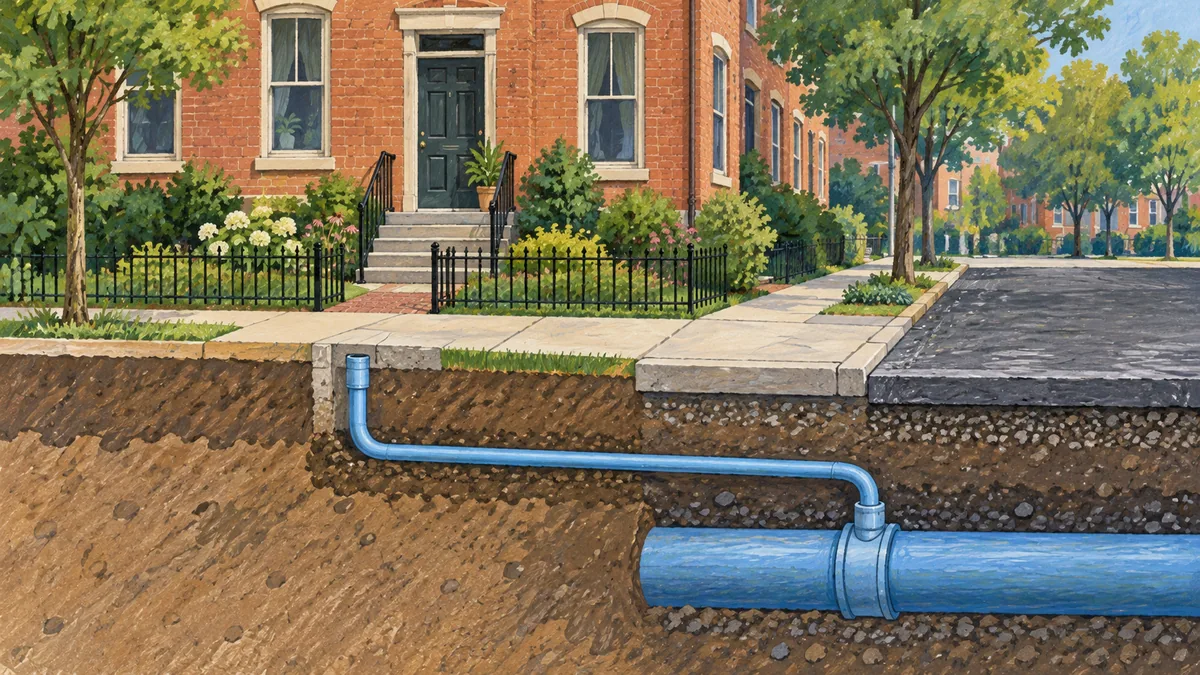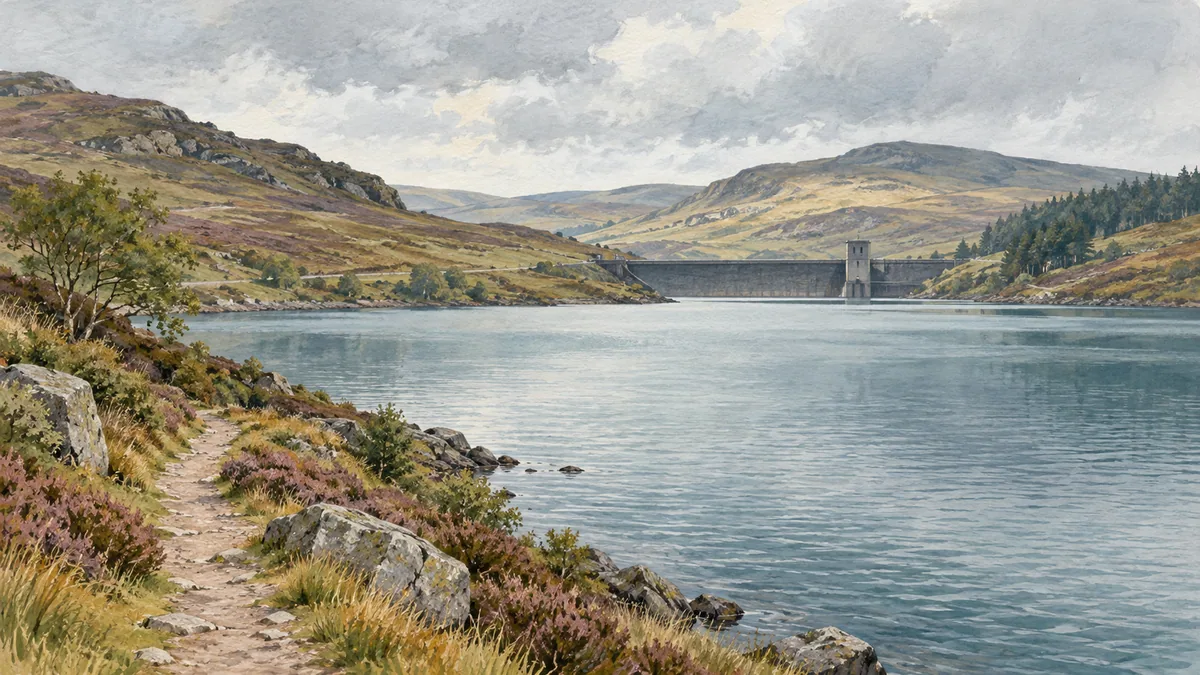
Birmingham's water system includes storage at different points in the journey to a tap. Severn Trent's Frankley proposal includes covered treated-water storage and pumping, intended to support maintenance; it gives no confirmed construction date. Frankley project page
The word reservoir does not tell you whether the water has passed through treatment. For that, look for the description of what enters the reservoir, what leaves it and where treatment sits between the source and the customer's supply.
Storage before and after treatment
A utility-authored account dated 1 October 2016 describes raw Elan water arriving at Frankley before treatment. That historical description is not a verified current configuration. Dated Frankley account
The distinction helps when reading a proposal for a new tank. More space for already-treated water addresses a different part of the system from more space for raw source water. A photograph of an open reservoir, a tank name or a construction headline cannot substitute for the project's description of its contents and purpose.
Keep the proposal separate from an operating asset. A planning page may describe what the utility intends to build without establishing that the structure is already in use. This article supplies no confirmed commissioning date, final capacity or route from a particular Frankley tank to your accommodation.

A reserve for interruptions and changing demand
The Drinking Water Inspectorate's private-supply guidance describes treated storage as a reserve for changing demand, planned maintenance and supply problems. This is general guidance for private supplies, not Frankley's design specification. DWI storage guidance
Read a maintenance proposal for an explanation of how water will continue reaching customers while infrastructure needs attention. Storage provides a way to hold water while demand and the work programme change. The useful questions are how much reserve the design provides and which interruption it is intended to cover. Those quantities need the actual project documents; no duration can be calculated here.
The same DWI guidance says storage should accommodate demand and interruptions without leaving water static for long periods. It describes protective lids and screened openings that keep pollutants, insects and animals out. Those principles explain why holding treated water requires attention to the storage itself. They are not instructions for a visitor to modify or disinfect a tank.
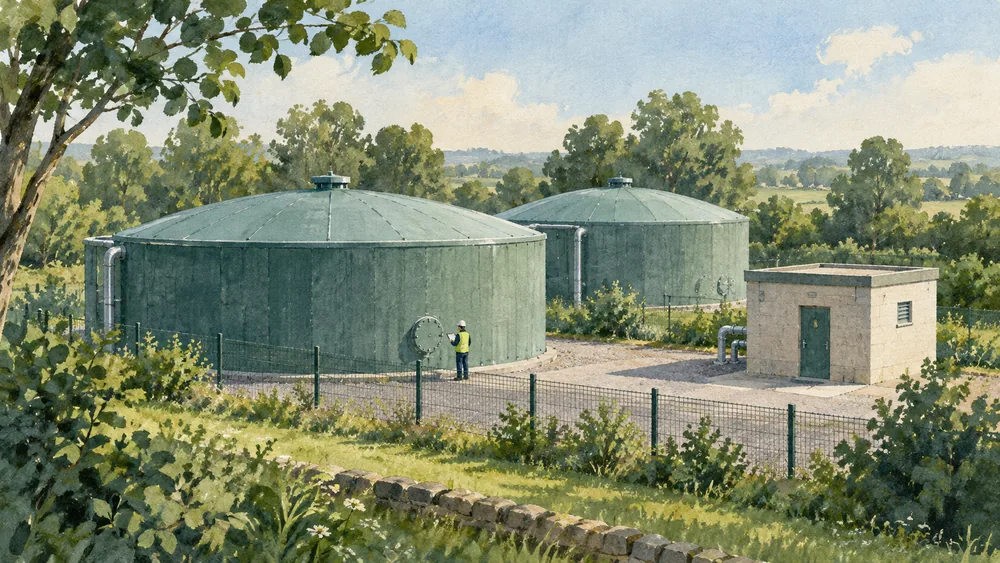
The cover still needs maintenance
DWI's England report for 2025 identifies ingress into treated-water storage as a recurring risk and expects inspection and maintenance based on asset condition and risk. Regulator's storage-integrity account
Already treated does not mean an asset can be ignored indefinitely. The report's discussion concerns protection after treatment; it establishes no current fault at Frankley or incident affecting Birmingham. A new storage proposal and a regulator's general inspection findings answer different questions.
Severn Trent also describes mixing an additional borehole supply with an existing supply in storage tanks. That undated announcement concerns a stated customer group and is not a current citywide blend measurement. Birmingham supply announcement
For a visitor, keep infrastructure history apart from advice about the tap in front of you. Our Birmingham water guide provides broader travel context. A storage announcement alone cannot establish your building's supply route, plumbing condition or today's sample result.