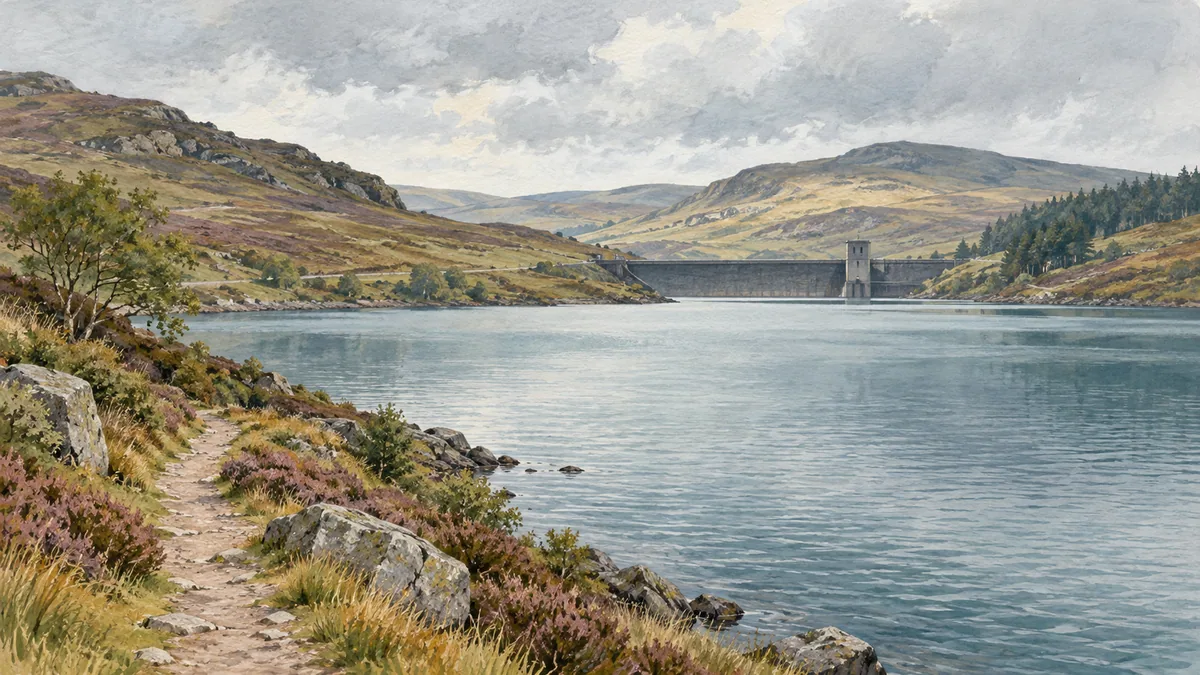
Gladhouse can appear in both water-infrastructure documents and accounts of the Midlothian landscape. Scottish Water's planned-work newsletter describes it as a working site where operational activity can affect a visit. Its plans include reservoir-outlet and dam work, with dates subject to approval and change. Original planned-work newsletter
That description helps explain the term operational reservoir. A place people visit can also contain equipment that staff need to operate and maintain. It does not establish which work is underway now or whether a particular walking route is open.
Working assets beside a landscape
Midlothian Council's landscape statement locates the reservoir area near the southern Midlothian boundary and describes its surrounding moorland, farmland and hills. The document is labelled MLDP 2017 supplementary guidance. Its purpose is to describe landscape importance, not the quality of water at a customer's tap. Council's landscape statement
Those two kinds of record can both be useful. A landscape account helps explain the setting; an operational document names the assets and the work. Reading them together does not make either a current visitor-access notice or a guarantee about drinking water.
If you are planning a visit from Edinburgh, ask the current access question separately. A scenic description or an old plan for improving paths cannot establish today's conditions. This article has no verified current road closure, route opening or construction timetable.
What the historical work programme shows
The planned-work newsletter refers to investigating the Rosebery water-treatment works raw-water pipe. It proposes spillway upgrades, improved emergency drawdown and automated tower-outlet valves. These are historical descriptions of planned work, not confirmation that every item has been completed.
The document includes targets for 2023 and explicitly makes its dates conditional. Its exact publication day was not established. These plans establish no current reservoir level, visitor route or customer allocation. Check current on-site notices before treating a path as available.
A work list therefore answers what the programme intended to address. To find out what has actually been delivered, look for a later dated completion update. Keep that update with the original proposal rather than replacing a planned date with today's date because the file is still online.
Follow the water through treatment
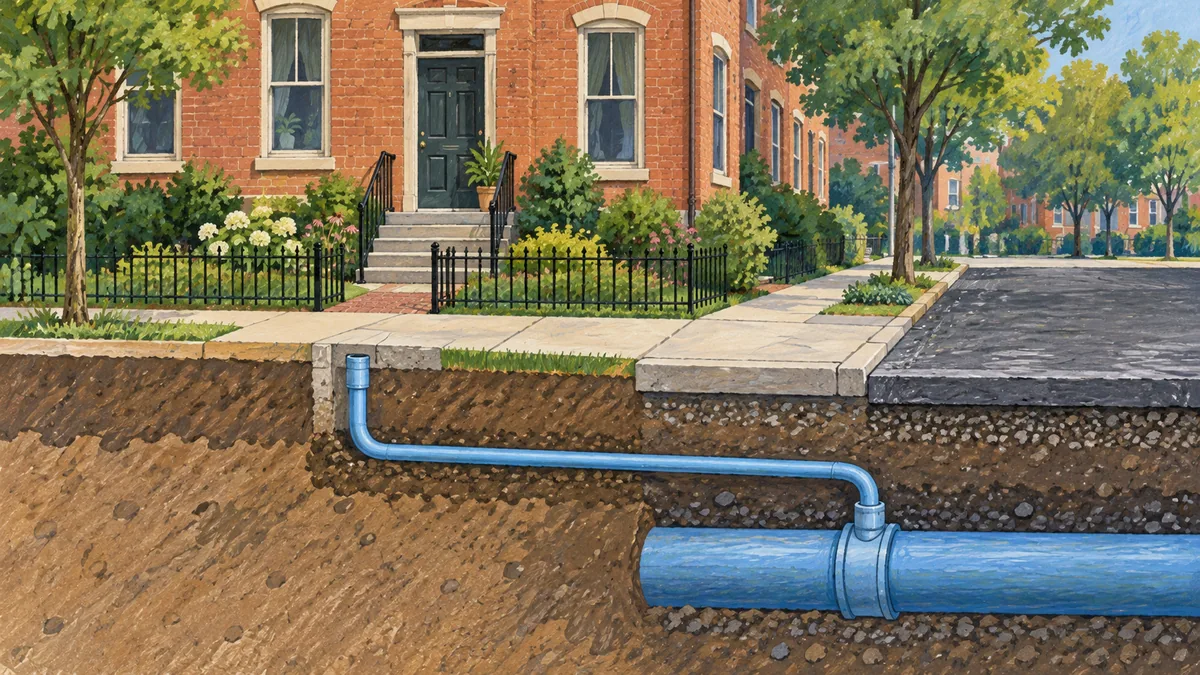
Scotland's drinking-water regulator explains that reservoir water is treated before supply to homes. This general description does not identify a particular Edinburgh property's source. DWQR's treatment explanation
The reference to a raw-water pipe is important when reading the old project programme: raw-water infrastructure and a customer-tap sample occupy different parts of the supply story. A maintenance proposal cannot be read as a measured result from your accommodation, and the appearance of a reservoir cannot supply the missing laboratory evidence.
DWQR also describes inspecting treatment works, laboratories and water-main operations. Its oversight role is separate from a reservoir's recreation information. Regulator's role
For a drinking-water question, retain the address, reporting period and relevant supplier or regulator record. Our Edinburgh tap-water guide gives broader visitor context. Gladhouse's working-site history explains why infrastructure and access information coexist; it does not assign its water to every Edinburgh tap or establish conditions there now.