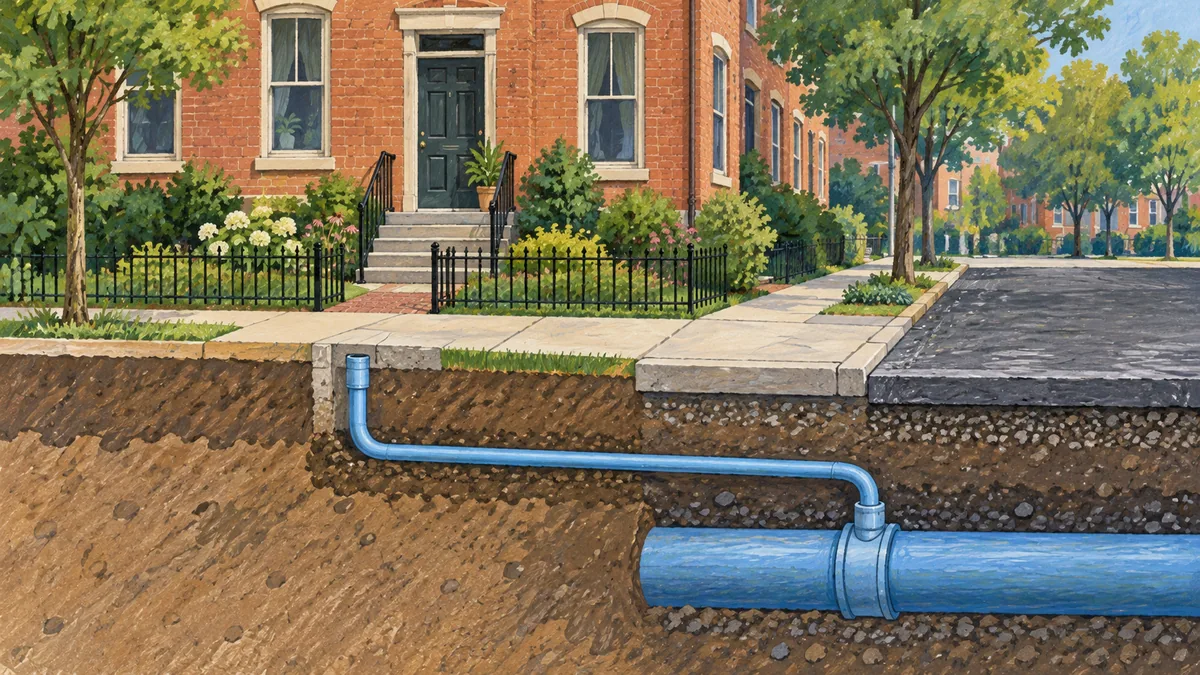
When a Liverpool tap produces less water than usual, note where you notice it and when it began. United Utilities' published checks help you describe the problem to the water company or a plumber. They offer a route for investigation; the cause at an individual home still needs to be established.
Start with the extent of the change
United Utilities asks customers to compare the cold kitchen tap with the hot supply and check whether neighbours are affected. Where cold water is available but hot water is not, its guide points towards internal pipework and a plumber. This is guidance for deciding who to contact, not a diagnosis of your heating or plumbing system. The utility's low-pressure guide
Make a note of whether the change is at one outlet, throughout the property, or also apparent next door. Record when you first noticed it and whether it is continuous. Those observations are more helpful than describing the whole area as having a supply failure when only one tap has been checked.
Its low-pressure page links to local network notices and asks customers to report an unlisted problem affecting more than one property. Check the utility's current notice for your area before reporting a new or unresolved network problem. No live postcode incident result has been obtained for this article. Network-notice and reporting links
A property clue is not a diagnosis
The household checklist includes an internal stop-tap check and a timed container-fill test. Use its published household instructions for the method rather than improvising a test from a second-hand description.
A timed fill records volume over time, leaving the cause of a restriction unresolved. It is not a laboratory water-quality test, and this article contains no measured flow or boundary-pressure reading. Before operating an unfamiliar household control, ask the host or person responsible for the plumbing, particularly in shared accommodation.
The same guide says supply can fluctuate during periods of higher demand. A record of when the change happens can help the enquiry. The timing alone cannot establish that demand caused it at your property. The utility's demand explanation
A network change has its own explanation
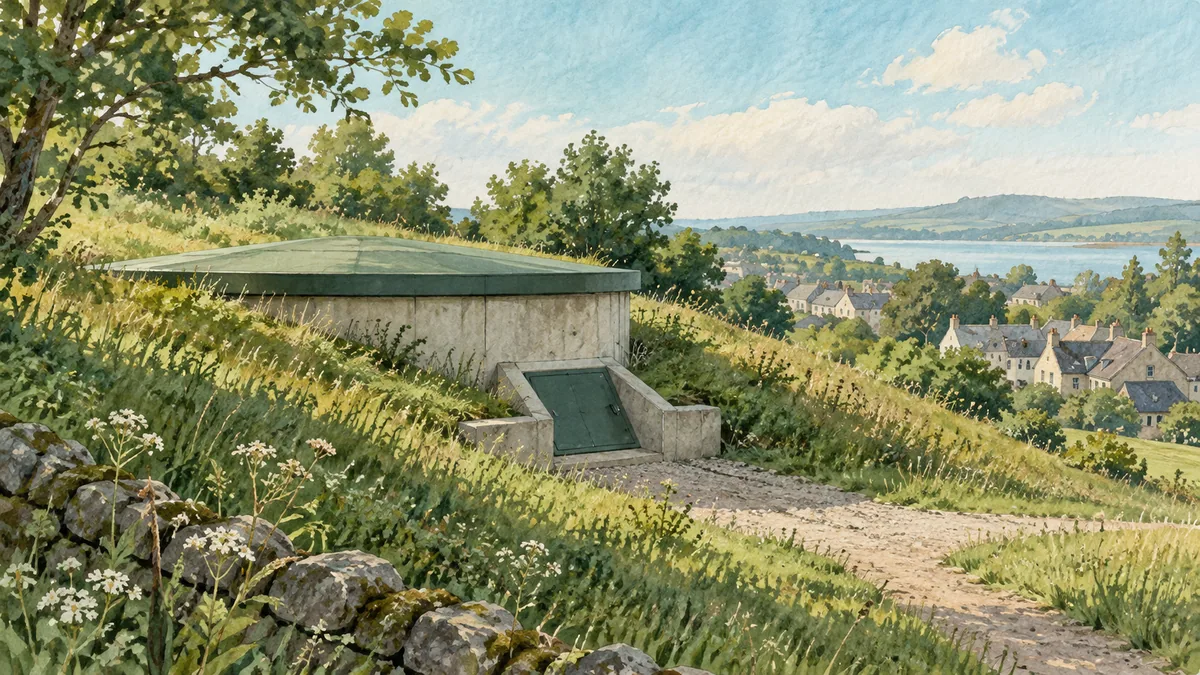
United Utilities says pressure varies with location, simultaneous water use and the reservoir's height relative to the property. It describes pressure management as a way to reduce leaks and bursts. These factors describe how pressure can vary across a network. The utility has not provided a pressure reading for your address here. Pressure optimisation
For a sudden significant drop, the pressure-management page sends readers back to the low-pressure advice. Ask the utility to investigate a sudden change. Its description of pressure management does not confirm that an intentional reduction caused the weak flow you have noticed. What to do after a sudden change
Give the next person useful information
Keep the address, affected outlets, timing and any current utility notice together. Say what you observed and which checks you have actually completed; leave untested possibilities open. If you are a visitor, the accommodation's host can help identify the relevant household contact.
Our Liverpool city guide covers travel context. A pressure enquiry and a drinking-water quality enquiry answer different questions, so ask the supplier about each concern explicitly.