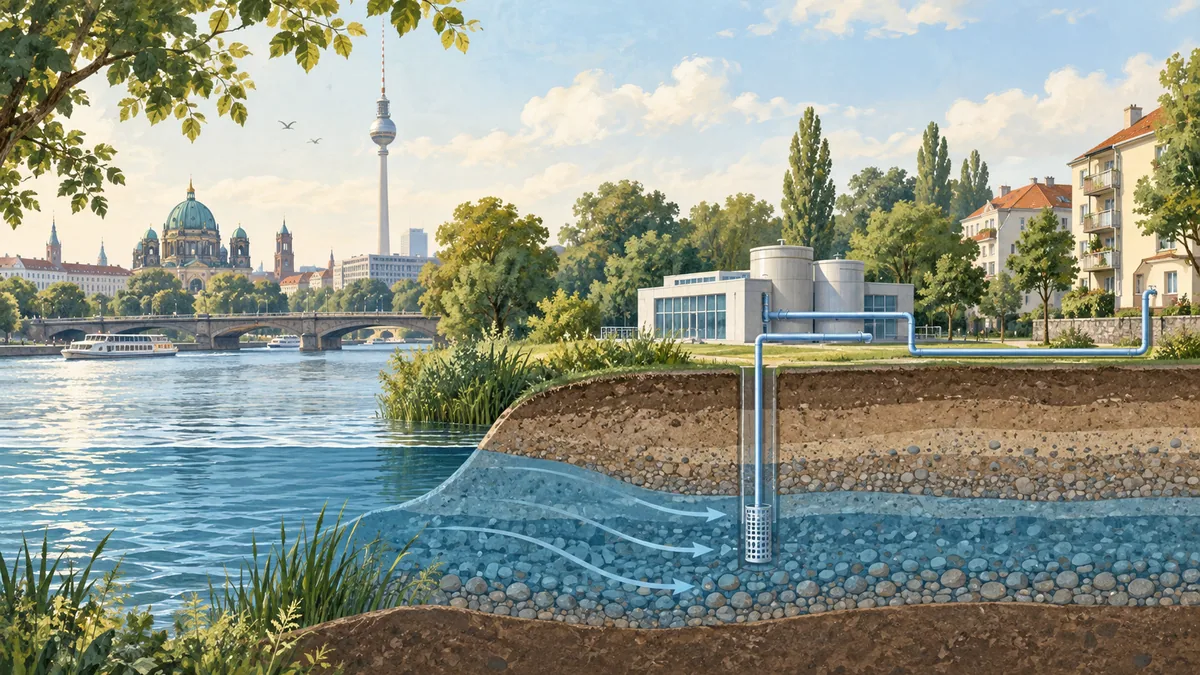
New York’s reservoir supply begins outside the five boroughs. The city’s supply has three reservoir systems: Catskill, Delaware and Croton. They give the network more than one route from a watershed to a kitchen tap. DEP’s water-supply overview describes their geography.
A reservoir name identifies the source. Treatment prepares the water for distribution, and the property’s plumbing is the final part of its journey.
The upstate reservoir network
DEP places the supply watersheds in the Hudson Valley and Catskill Mountains, extending as far as 125 miles north of New York City. Its system includes 19 reservoirs and three controlled lakes. The official supply page also explains that reservoir levels reflect inflow, withdrawals and releases to rivers below the dams.
The reservoirs are part of a managed network that also supports downstream river flows. If you see a percentage for each source, check its year or operating period. For a trip or a new apartment, use information for the location and time you need; an undated average leaves those questions open.

Unfiltered water still receives treatment
The filtration waiver applies to the Catskill/Delaware portion of the supply. DEP connects that waiver with its source-water protection programs. It does not cover every source supplying New York. DEP’s filtration-avoidance explanation gives its scope.
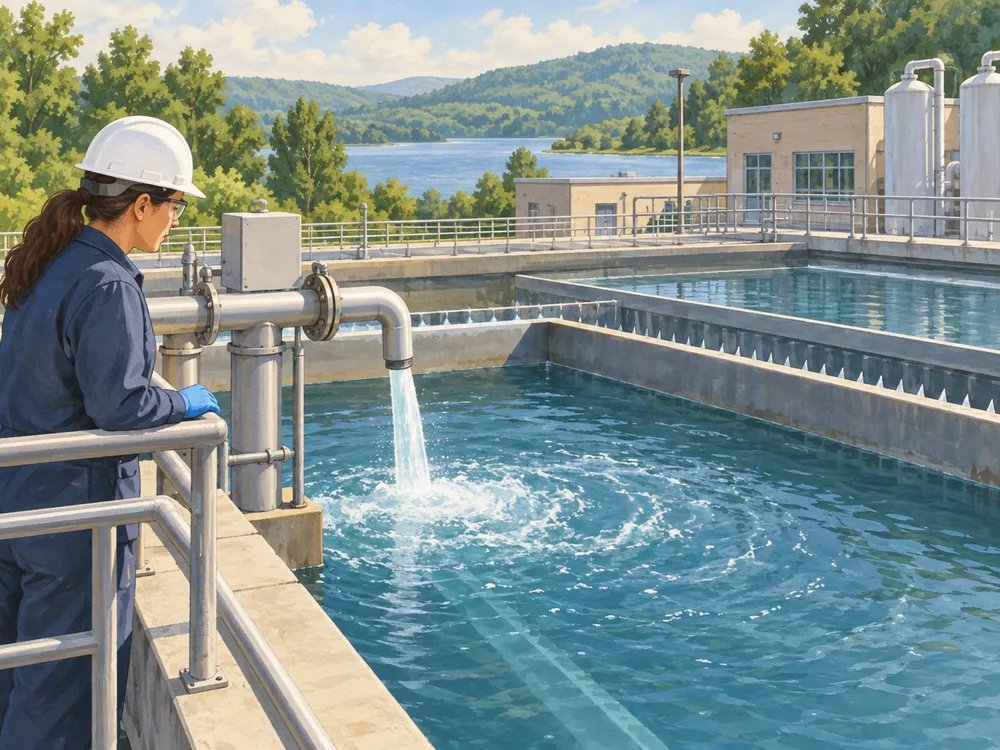
The city’s report for 2025 describes chlorine and ultraviolet disinfection for Catskill/Delaware water. Croton water is filtered at an underground plant in the Bronx: coagulation gathers particles into clumps, air flotation removes them, and granular activated carbon and sand provide filtration. Croton water also receives chlorine and UV disinfection. The 2025 supply and quality report describes both routes.
Here, filtration removes particles, while disinfection addresses microorganisms. Unfiltered water still undergoes treatment before reaching a drinking glass. The report’s testing sections concern 2025. Reading it in October 2026 does not make them measurements taken that month.
Source blends and building plumbing
DEP says neighborhoods can receive one source or a combination. It attributes some taste differences to the geology, soil and minerals around the reservoirs, and notes that chlorine can also affect taste or odor. For a noticeable change, DEP asks customers to contact 311. Use its drinking-water FAQ to investigate a change instead of identifying a watershed by taste.
DEP explains that water can absorb lead from solder, fixtures or pipes in some buildings. It provides a service-line map and a way to request a household lead test. DEP’s lead information covers those property concerns.
When reading a water claim, check whether it concerns the source, the treatment plant or the building, and check the measurement year. A local problem calls for a local notice or property investigation. Our New York City water guide has broader visitor guidance. The reservoir system’s description cannot certify every hotel or apartment tap.