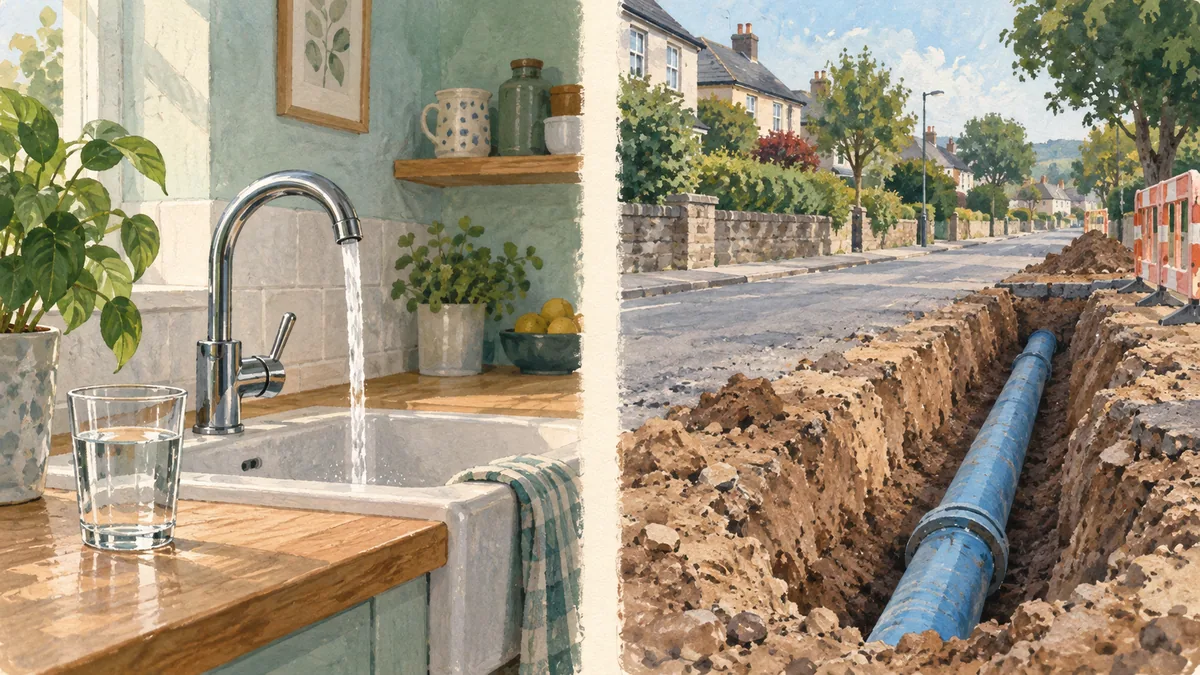
Vancouver's water pages name both Metro Vancouver and the City of Vancouver because they describe different parts of the supply. The City says it purchases its drinking water from Metro Vancouver. The City's drinking-water overview.
For a visitor, that helps explain why a regional source account and a local service page can both be relevant. The right contact depends on the question: where water is stored and treated, what happens in the municipal network, or where a particular property's connection needs attention.
The regional system reaches the municipality
Metro Vancouver protects watersheds, stores and treats water, and supplies member jurisdictions. The municipalities run the local infrastructure and deliver water to homes and businesses. Metro Vancouver's regional-system account.
The regional account explains the supply shared by its members. It does not turn each reservoir or treatment-plant name into a separate supplier that a visitor chooses at the tap. Use it to understand the upstream arrangement; use the City's service information when the question concerns a Vancouver property or street.
The City's own overview links readers onwards to neighbourhood water monitoring and help with water quality or pressure. See those local water links. These are routes to more specific information, rather than evidence that a particular room or building has been sampled. No current household result or address-specific source mixture is established here.

The city's service line has a boundary
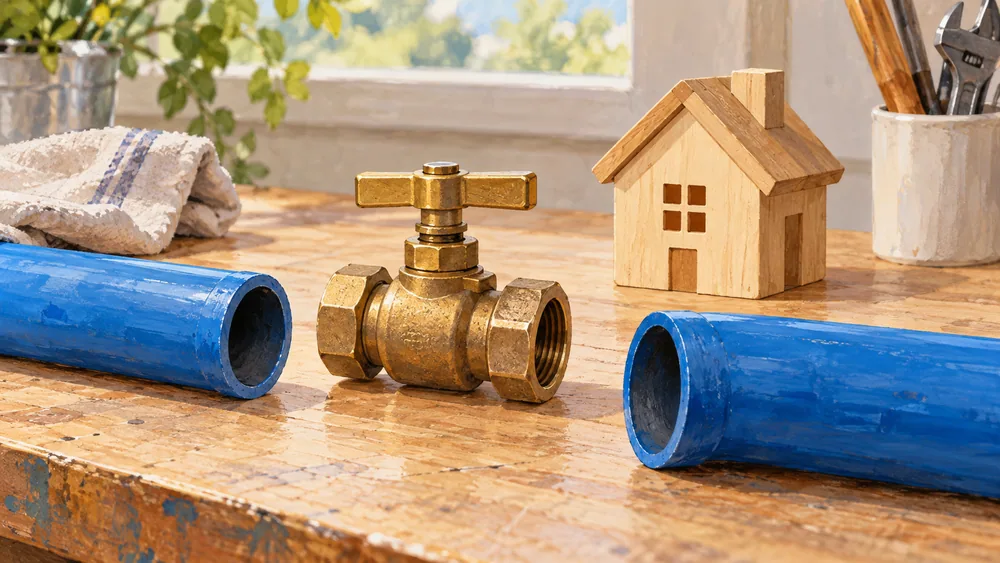
On its shut-off page, the City defines ownership by the curb stop: it owns the pipe from the water main to the shut-off valve, while the owner owns the pipe from the valve to the home. The page says the City does not repair water services on private property. Read the service-line ownership explanation.
Keep that named valve in the explanation. Replacing it with a convenient-looking fence or edge of paving would invent a boundary for a property that has not been checked. The description is useful when asking who should investigate a connection, but it does not locate the valve at your accommodation.
Another City page, about quality or pressure problems, describes the City's supply responsibility as reaching the property line. Read that page's responsibility note.
The pages use different boundary descriptions. We have not established that the curb stop and property line coincide for a particular connection, or that one wording universally overrides the other. Give the City the address and ask how its guidance applies to that service before assigning responsibility for work.
Choose the contact for the question
The quality-or-pressure page directs readers to Van311 and 3-1-1. For a non-emergency dispatch, it says only the property owner may request it and someone must be on site to approve possible charges. Check the City's contact conditions.
A visitor or tenant can use that information to involve the host or property manager with the actual location and a clear description of the problem. It avoids turning a general online ownership diagram into an instruction to operate a valve or arrange repairs yourself. Use the City's current service procedure for the connection in question.
For an immediate drinking-water instruction, retain the issuer and affected area of the actual notice. A general account of regional and municipal roles cannot establish whether one applies today. The Vancouver city guide supplies travel context; the water-notice guide covers reading an advisory for the right supply. The four official explanations here were checked on 15 October 2026 and do not document a property inspection.