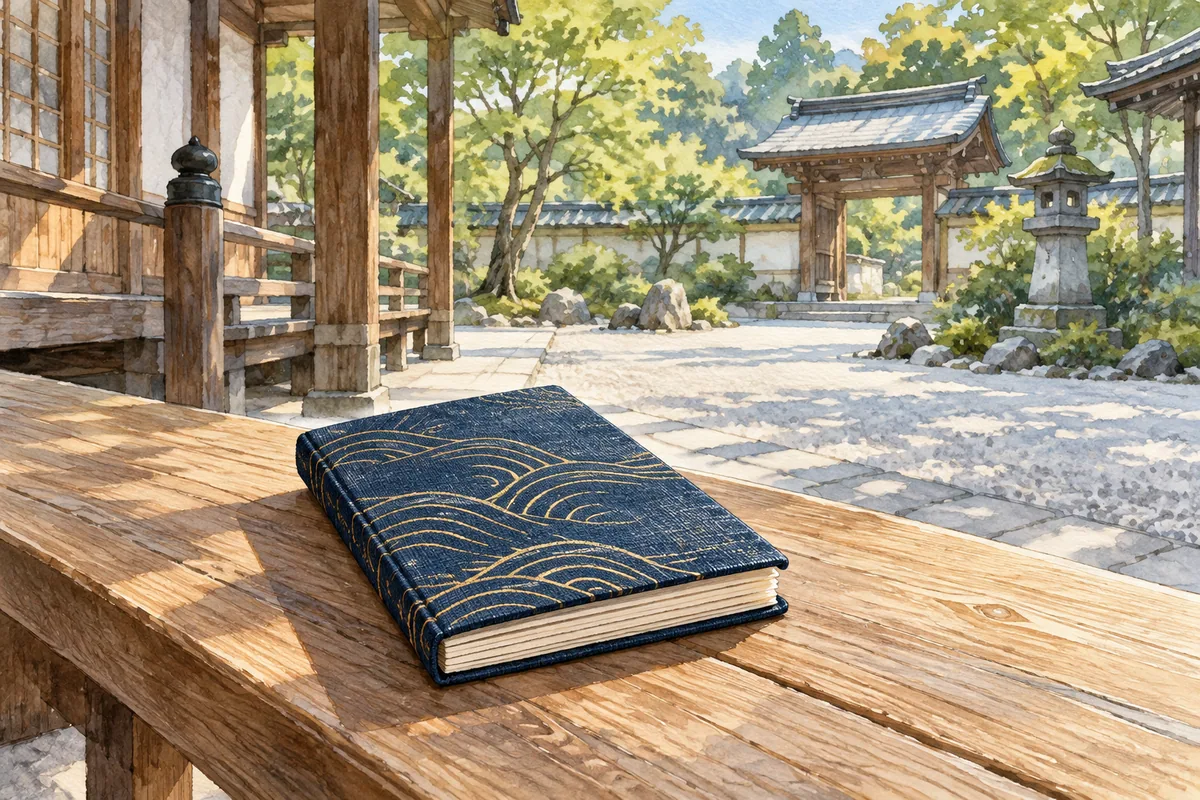
A goshuin is a seal and ink inscription received as a record of visiting a Japanese shrine or temple. At a site that offers goshuin, pay respects and ask at its designated reception. Follow the local instructions about when to hand over your book.
Tōdai-ji describes the seal as a record of the visitor’s connection with Shinto and Buddhist deities. It usually combines a seal with black writing naming the shrine, temple or a Buddhist image.
Start with a dedicated book
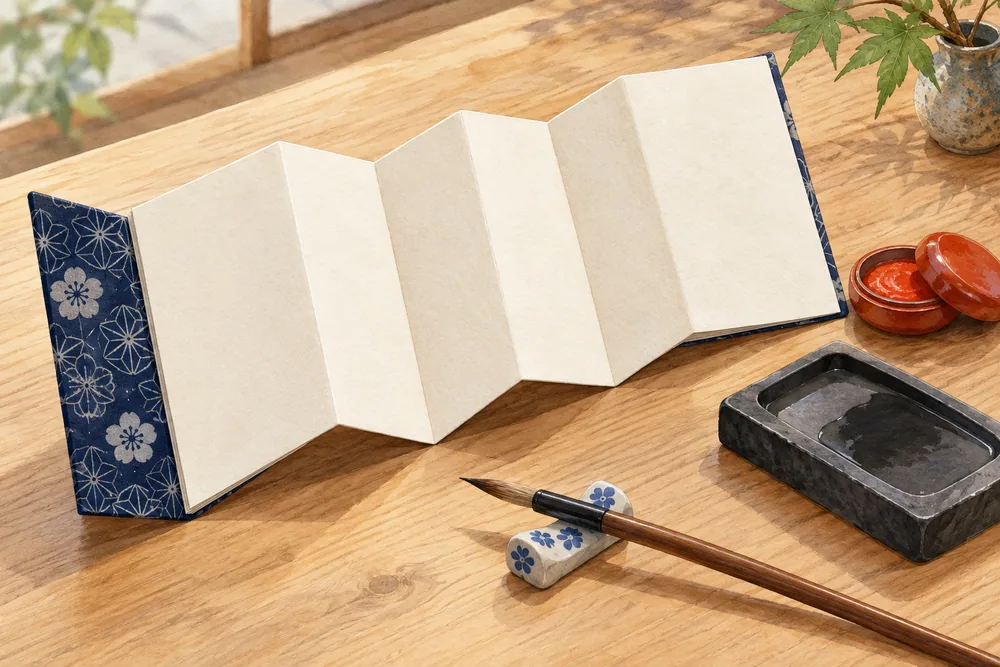
The collecting book is called a goshuincho. Choose a book intended for goshuin. Kamakura’s Hasedera specifically distinguishes a goshuin book from a simple notebook.
Meiji Jingu offers its own collecting book, and Tōdai-ji also lists goshuin notebooks. If you would like a site’s own book, you can leave the choice until your visit.
The Japan National Tourism Organization’s guide explains that the seals are considered sacred and advises against adding other kinds of stamp. Use a separate notebook for any other travel stamps you collect.
Pay respects and follow the local sequence
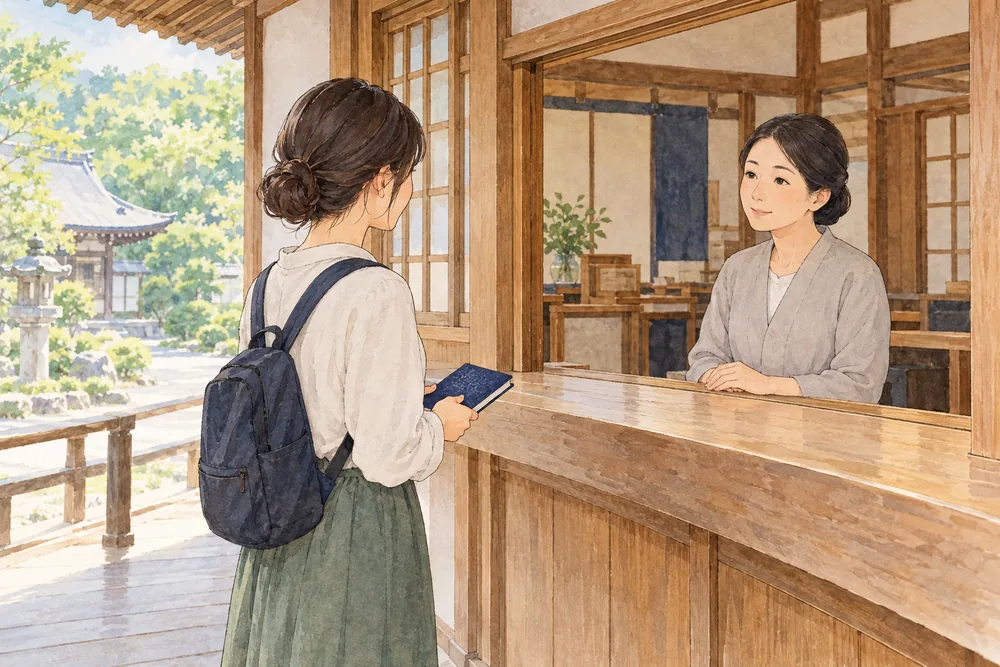
JNTO’s guidance is to pray before joining the goshuin queue. Follow the site’s instructions on how to pay respects during this religious visit. Hasedera’s instructions ask visitors to leave their book at the counter just after the entrance before visiting the temple, then collect it on the way out. If the site directs you to hand over your book first, follow that arrangement and still take time to pay respects.
Find the right reception
Look for the designated goshuin reception or ask staff where to go. At Senso-ji in Tokyo, the English visitor guide identifies Yogodo Hall as the place to receive its seals.
Tōdai-ji’s hall-by-hall guide lists several seals and directs visitors to Nembutsu-dō for those associated with Shunjō-dō and Gyōki-dō. Check the local map or instructions for the seal you want.
Check the requested offering or fee at the counter and follow the payment instructions. Where staff will write in your book, open it to the page you want used, as JNTO advises.
Take the book or sheet you are offered
A goshuin can also come on a separate sheet. Meiji Jingu says a sheet version is available for visitors without a book.
During high demand, Hasedera says it provides only a prepared, dated goshuin for visitors to glue into their books themselves. Accept the format offered and keep the sheet safe until you can add it to your book as instructed.
If the inscription is unfamiliar, JNTO suggests keeping a note of the shrine or temple’s name with the page. You can then identify the place when you look through your book after the trip.
Choose a dedicated goshuin book
A dedicated goshuincho can be useful if you want a book before your first visit. Compare the format and dimensions, or choose a shrine or temple’s own book when you arrive. A search result does not guarantee acceptance at every site.
🛒 Browse goshuin books on Amazon →Amazon paid link