A Montréal place name can appear in several kinds of water record. The annual report index has territory summaries, detailed reports covering groups of municipalities, and water-use documents. Start with the coverage stated on the record you are reading. A familiar borough or plant name is not enough to decide whether a result applies to your building.
Start with the report's territory
The city's French annual-report index separates water-quality summaries by territory from detailed water-quality reports. One detailed-report collection groups Montréal, Mont-Royal, Montréal-Est and Montréal-Ouest. Another groups Pierrefonds, Dollard-des-Ormeaux, Sainte-Anne-de-Bellevue and Senneville. A report in one of these collections can cover several named places.
Use the named territory to find the appropriate collection, then read the specific document's title and coverage before comparing results. A summary under a municipal name and a detailed report for several territories are different levels of reporting. Neither label alone tells you which street was sampled, whether a value came from a treatment plant or the distribution network, or what happened at a particular kitchen tap.
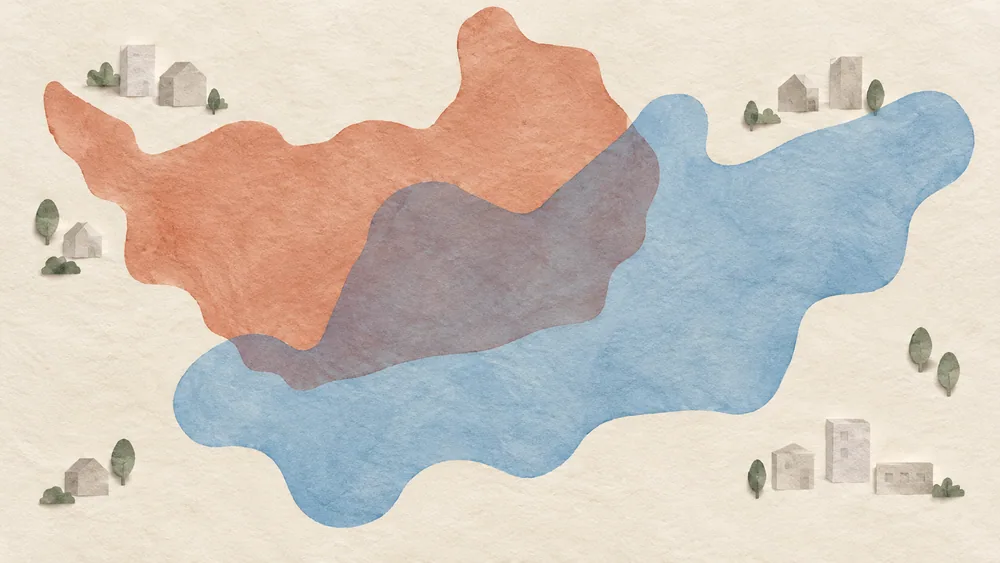
The city also lists six water treatment plants in its drinking-water overview. It locates Atwater in Sud-Ouest and Charles-J.-Des Baillets in LaSalle. Those are plant locations, not statements that their water is confined to those boroughs. To establish a building's supply, ask the city about the address instead of drawing a service boundary around the nearest plant.
Keep the reporting year with the result
The French report index was updated on 31 March 2026 and includes highlights labelled 2025. In those highlights, the city says lead was the only physicochemical parameter that exceeded standards or maximum acceptable concentrations. That is the city's annual summary of its testing, not a 2026 test of every tap or a result for a specific borough.
The page says annual assessments and reports become available at the end of March. A page updated in spring can therefore describe tests from the previous year. Keep the period printed in the document with each value you copy; an access date tells you when you read it, not when the water was sampled. The report index is the place to locate the dated collections.

Source protection is another reporting boundary
Montréal publishes separate source-vulnerability information. That page describes water drawn from the St. Lawrence River or Rivière des Prairies and explains protection zones around withdrawal sites. Its report collection is labelled 2021. Those documents concern risks to source water; they should not be read as a new annual result for treated water in a borough.
Before comparing two records, ask whether they describe an intake, a treatment plant, a distribution territory or a building sample. Match the sampling point as well as the territory before applying a result.
A building can need its own follow-up
The city's lead guidance explains that some pipes contain lead and describes service-line screening. A territory-level annual summary cannot supply the missing inspection or test result for an individual building. Ask the accommodation manager about any notice or screening result that applies to the place where you are staying.
For a particular incident, read the current notice affecting the address and any notice lifting it. Montréal's boil-water instructions say a notice is issued when tap water is safe to drink again. This is standing guidance, not evidence of an advisory today. The Montréal city guide provides general travel guidance; local instructions and building-specific information answer the narrower question.